Aluminium vs Wooden Windows: Which Is Best for Your Home in 2026?

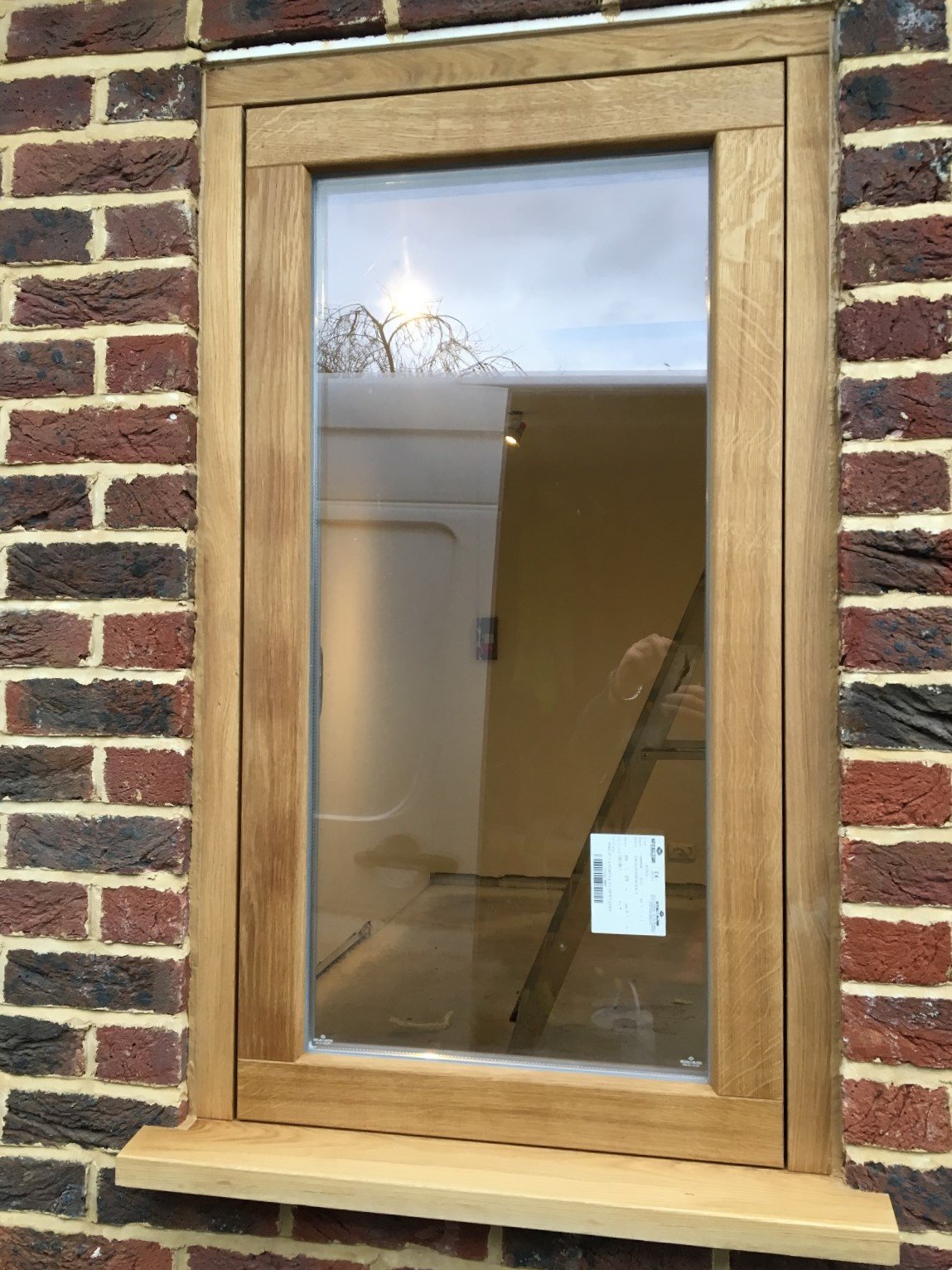
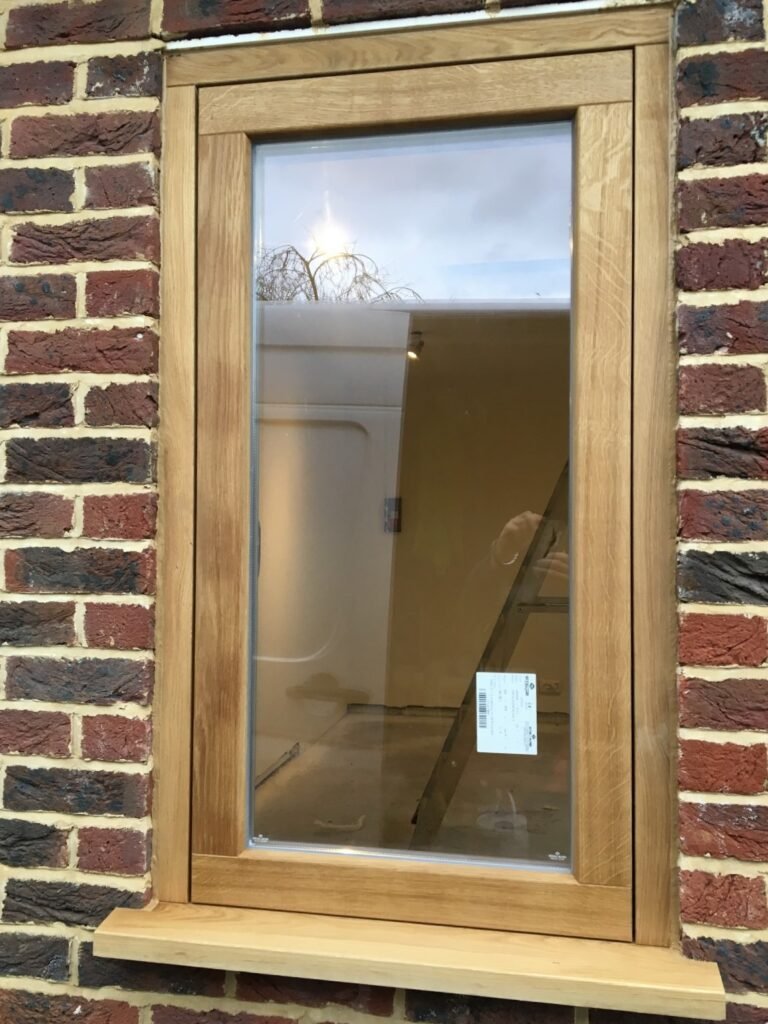
Choosing new windows is one of the most important decisions homeowners make when renovating or upgrading a property. Windows affect everything from energy efficiency and maintenance costs to security, appearance, and long-term property value.
Two of the most popular premium options in the UK are aluminium windows and wooden windows. Both offer distinct advantages, but they suit very different types of homes and homeowner priorities.
This guide compares aluminium vs timber windows in detail, helping you decide which option is best for your property.
What Are Aluminium Windows?
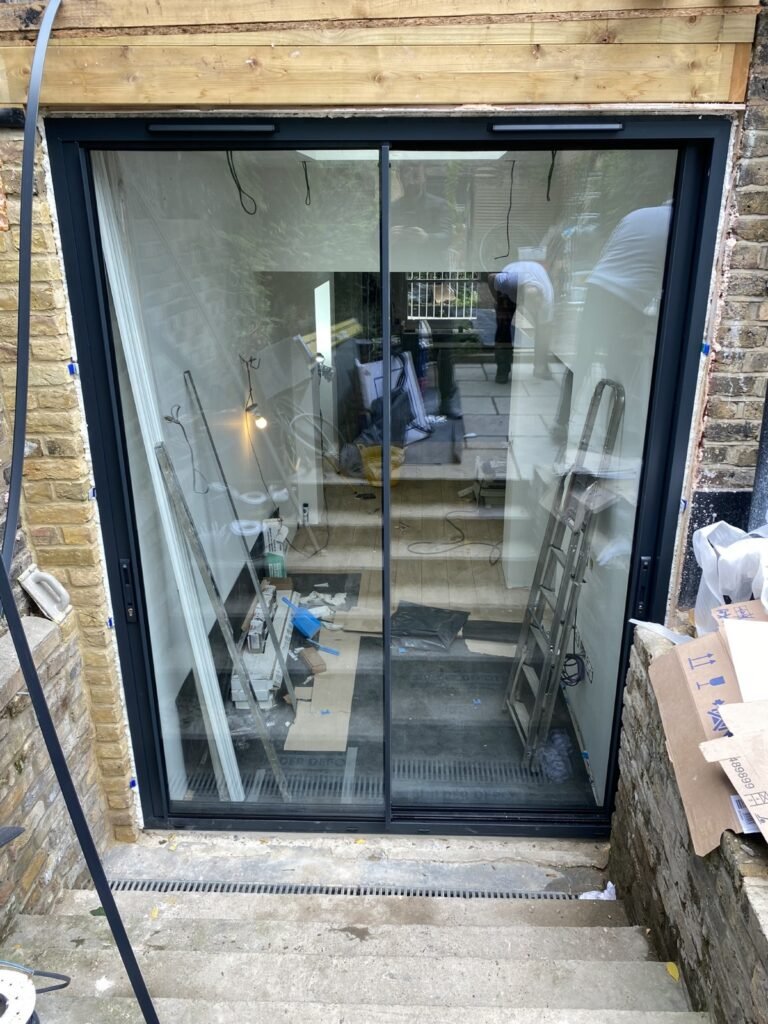
Aluminium windows are made using strong, lightweight metal frames with powder-coated finishes designed for durability and modern aesthetics.
They are known for:
- Slim sightlines and large glass areas
- Exceptional structural strength
- Contemporary appearance
- Long lifespan
- Minimal maintenance
Aluminium has become increasingly popular in modern homes, extensions, and architectural projects throughout the UK.
What Are Wooden Windows?
Wooden windows, also known as timber windows, are manufactured using natural wood such as oak, pine, or engineered timber.
They are traditionally associated with:
- Heritage and period properties
- Classic architectural styles
- Natural insulation
- Traditional craftsmanship
- Premium character and aesthetics
Timber windows remain highly desirable for homeowners wanting an authentic, timeless appearance.
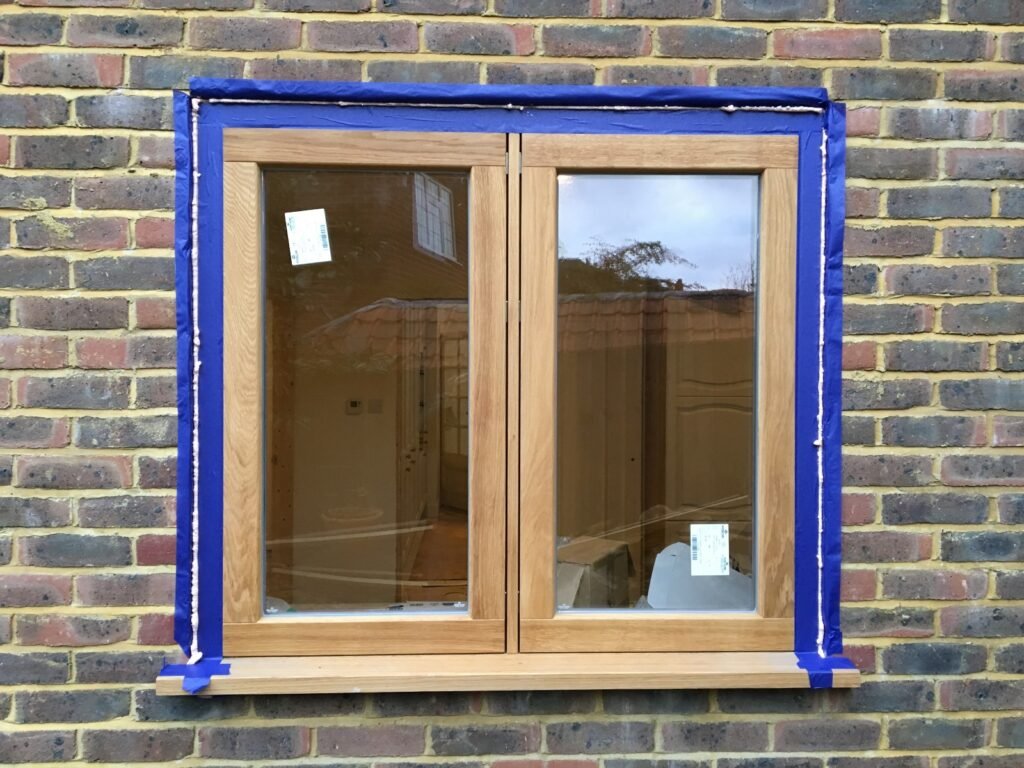
Aluminium vs Wooden Windows: Key Differences
1. Appearance & Style
Wooden windows provide a warm, traditional look that suits:
- Victorian homes
- Georgian properties
- Listed buildings
- Cottage-style homes
Natural timber offers texture and character that many homeowners prefer for traditional architecture.
Aluminium windows, however, are known for their sleek, modern appearance. Their slim frames allow for:
- Larger glass panels
- Cleaner lines
- More natural light
- Minimalist aesthetics
This makes aluminium ideal for:
- Contemporary homes
- Modern extensions
- Commercial-style designs
- Luxury renovations
Best for aesthetics:
- Traditional homes: Wooden windows
- Modern homes: Aluminium windows
2. Strength & Durability
Aluminium is significantly stronger than timber.
This strength allows aluminium frames to support much larger panes of glass without becoming bulky or unstable.
Benefits of aluminium durability include:
- Resistance to warping
- No rotting
- Corrosion-resistant finishes
- Excellent weather resistance
- Long structural lifespan
Wooden windows can also last decades, but only with proper care and maintenance. Exposure to moisture and weather can eventually cause:
- Rot
- Swelling
- Cracking
- Paint deterioration
Best for durability:
- Aluminium windows
3. Maintenance Requirements
Aluminium windows are extremely low maintenance.
Most aluminium frames only require:
- Occasional cleaning
- Basic maintenance checks
- No repainting or sealing
Wooden windows require considerably more upkeep, including:
- Regular painting or staining
- Protection from moisture
- Surface treatment over time
Neglecting timber maintenance can shorten lifespan significantly.
Best for low maintenance:
- Aluminium windows
4. Energy Efficiency
Modern aluminium windows now use advanced thermal break technology, helping improve insulation and reduce heat loss.
Wood naturally provides excellent insulation properties, making timber windows highly energy efficient as well.
When paired with quality double or triple glazing, both materials can achieve strong thermal performance.
Energy-efficient windows help:
- Lower heating bills
- Improve indoor comfort
- Reduce drafts
- Increase EPC ratings
Best for energy efficiency:
- Both perform well when properly specified and installed
5. Environmental Impact
Timber is often viewed as the more sustainable option because it is a renewable natural material when responsibly sourced.
However, aluminium is:
- Fully recyclable
- Extremely long-lasting
- Less likely to require replacement over time
The environmental impact of either option depends heavily on:
- Manufacturing standards
- Product lifespan
- Maintenance requirements
- Installation quality
6. Cost Comparison
Wooden windows are generally expensive due to craftsmanship and material costs.
Aluminium windows are also considered a premium product, though pricing varies depending on design and specification.
In most cases:
- Aluminium offers better long-term maintenance savings
- Timber often costs more to maintain over time
Both are positioned above standard uPVC pricing in the UK market.
Best for long-term practicality:
- Aluminium windows
Which Windows Should You Choose?
Choose aluminium windows if:
- You prefer modern aesthetics
- You want slim frames and larger glass panels
- You prioritise durability and low maintenance
- You are renovating a contemporary property or extension
Choose wooden windows if:
- You own a traditional or listed property
- Authentic appearance matters most
- You value natural materials and craftsmanship
- You are prepared for ongoing maintenance
The right choice ultimately depends on your property style, budget, and long-term priorities.
Final Thoughts
Both aluminium and wooden windows offer excellent performance when professionally manufactured and installed. Timber windows deliver timeless character and traditional elegance, while aluminium provides modern styling, exceptional durability, and minimal maintenance.
At No1 London, we supply and install high-quality aluminium and window systems tailored to each property’s needs. Whether you are upgrading a modern home, renovating a period property, or planning a new development, our experienced team is here to help, advise, and assist throughout the entire process.
As a trusted window and door supplier in London, No1 London focuses on delivering quality products, expert guidance, and professional installation designed for long-term performance and value.
Because choosing windows should improve your property, not turn into a six-week internet spiral where you suddenly develop emotional opinions about frame sightlines and condensation ratings.