Are uPVC Windows Bad for the Environment? uPVC vs Timber
Are uPVC windows bad for the environment? The evidence is mixed. Making a uPVC frame usually has a bigger carbon footprint than making a timber one, but over a window's life the heat lost through it usually matters more, so a well-fitted, long-lasting uPVC window can still be a reasonable choice.
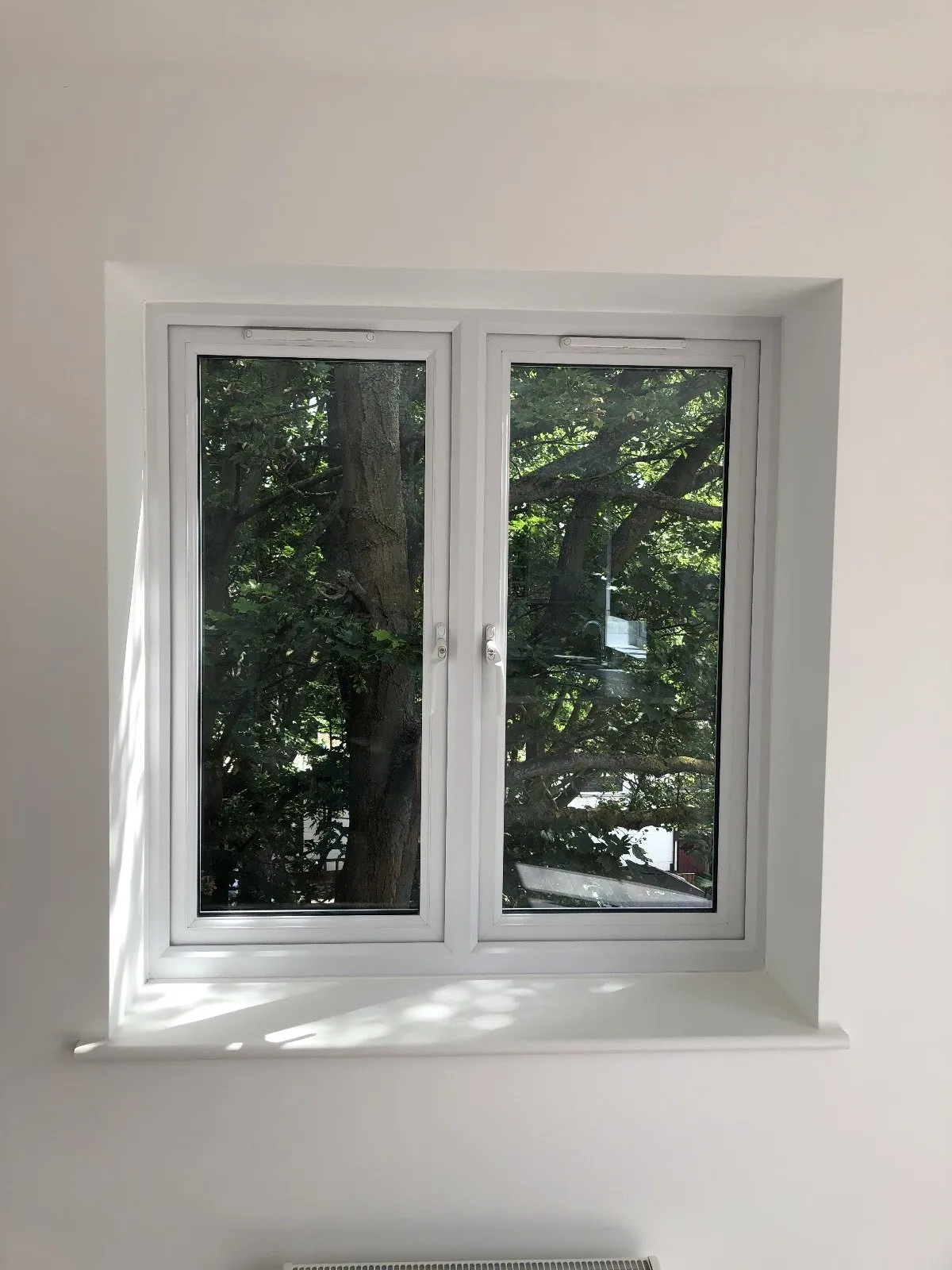
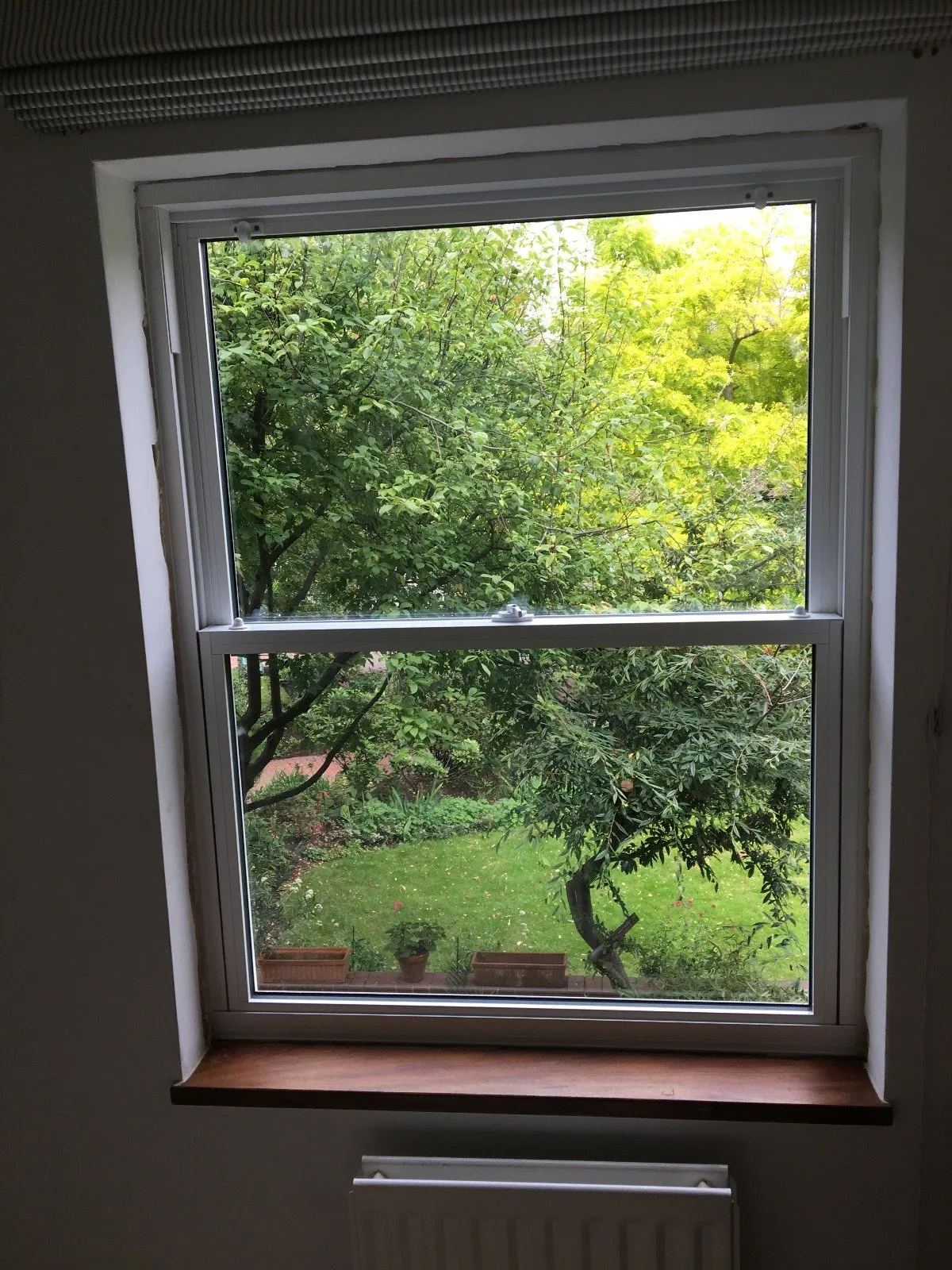
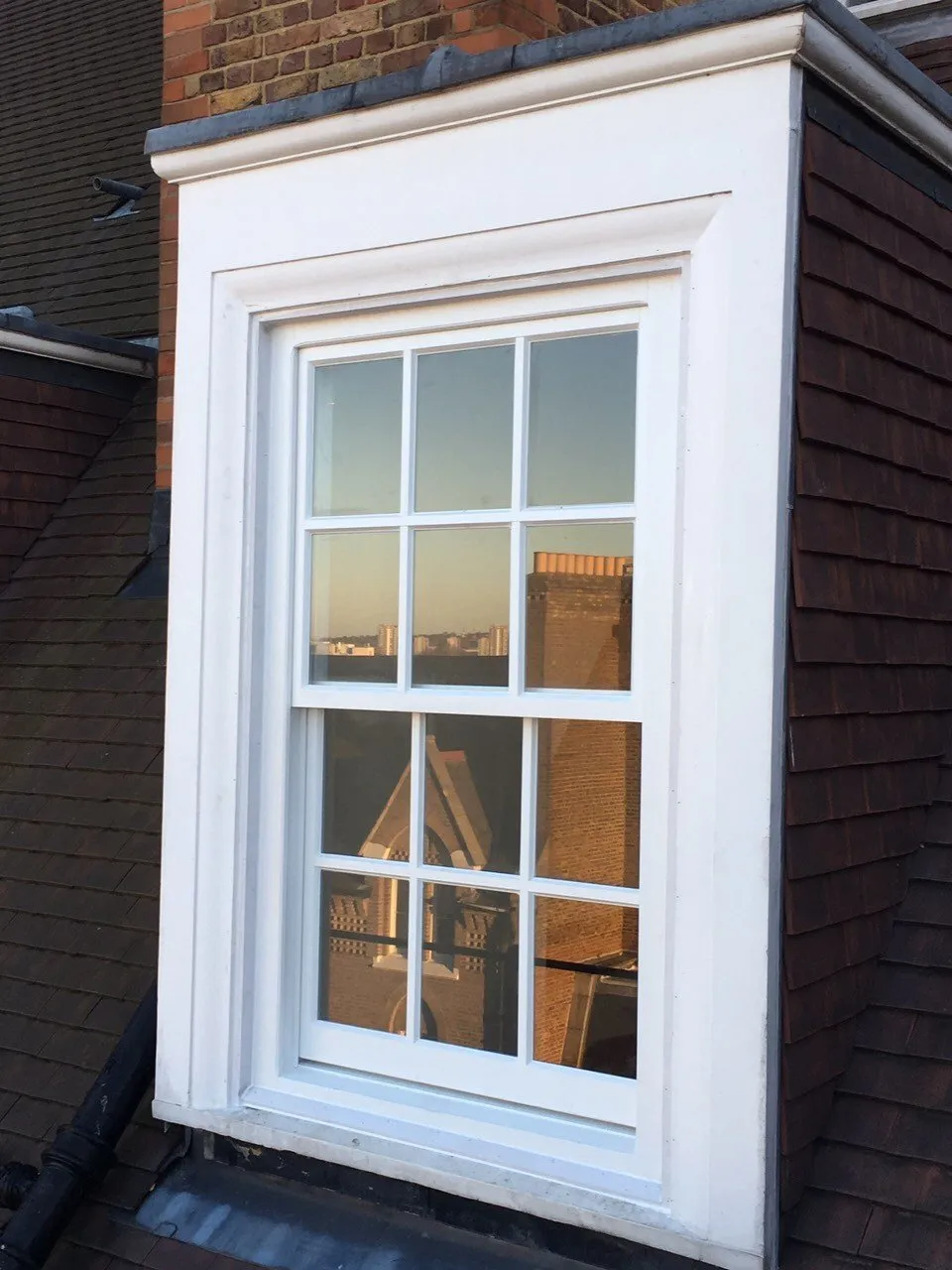
We supply and fit both uPVC windows and wooden windows, as well as sash windows, so this is not a case for one material. It covers what uPVC is made of, what life-cycle studies found and who paid for them, and what happens to old frames. For cost, upkeep and looks, see our uPVC vs wooden windows comparison.
What are uPVC windows made of?
uPVC is unplasticised PVC, a rigid form of polyvinyl chloride. According to the European PVC industry, PVC is made from chlorine, which comes from common salt, and ethylene, which today comes mainly from oil or gas. Its VinylPlus programme says chlorine makes up 57% of the polymer by weight. The rest is mostly fossil-based.
Finished profiles also contain additives. Lead-based stabilisers used to be common, and European stabiliser makers say they finished replacing lead in new PVC across the EU, then including the UK, by the end of 2015. Older frames can still contain it, and that matters when they are recycled. Since November 2024, an EU regulation caps lead in PVC at 0.1%, with an exception until May 2033 for building products made with recycled rigid PVC containing less than 1.5% lead. Great Britain's REACH restrictions have no such limit.
How do uPVC and timber windows compare over their life?
| Stage | uPVC | Timber |
|---|---|---|
| Raw material | Chlorine from salt, plus ethylene mainly from oil or gas | Wood, a renewable material when the forest is well managed |
| Making the frame | Higher carbon in the comparisons we found | Lower, even with stored carbon left out |
| Lifespan in published figures | About 22 to 40 years | About 30 to 45 years in older figures; 56 to 65 in a 2013 timber industry study |
| Upkeep | Cleaning; seals, hinges and glazing units wear | Repainting every few years, plus the same seals and glazing |
| Heat loss in use | Decided mostly by the glass and the fit | Decided mostly by the glass and the fit |
| End of life | Recyclable into new profiles; much of it went to landfill in the past | Mostly burned for energy or recycled into panel board |
What do life-cycle studies say?
On making the frame, the comparisons we found put timber below uPVC. A Napier University study from the early 2000s put the energy needed to make a 1.2 m by 1.2 m window at 995 MJ for timber against 2,980 MJ for uPVC. A 2008 review in Forest Products Journal, a wood industry publication, found wood had lower embodied energy than PVC and aluminium in every frame comparison it cited, including the Napier study. In 2014 the UK consultancy Circular Ecology put a double-glazed window at about 85 kg CO2e in timber and 110 kg in uPVC.
The most detailed UK comparison we found, by Heriot-Watt University in 2013, was commissioned by the Wood Window Alliance. It found uPVC frames had a far higher impact than timber in nine of ten categories (uPVC did better on ozone depletion), and timber still came out lower when the carbon stored in the wood was left out of the sums. It counted the frames only, without glass or heat loss.
Not every study points the same way. A 2004 review for the European Commission found that none of the window studies it covered named a winning material, and concluded that how well a window keeps heat in matters more than what it is made of. A 2016 study in the International Journal of Life Cycle Assessment, part-funded by the aluminium industry, ranked well-maintained aluminium frames best and uPVC worst.
How long do uPVC windows last?
There is no agreed figure. In a survey of 22 UK councils published by Napier University, PVC windows were reported to last about 25 years in most cases. The BRE Green Guide used 25 years, then raised it to 35 after a study commissioned by the plastics industry, according to the Heriot-Watt report, and a UK profile maker's 2025 BRE-verified declaration says BRE's current rules use 30. The PVC window industry's 2016 European declaration, now expired, assumed 40. Historic England describes uPVC windows as relatively short-lived, at less than 25 years.
Lifespan matters because a window replaced twice uses its materials twice. As our uPVC vs aluminium windows guide says, be wary of any single lifespan figure, and ask what the guarantee covers and which parts can be replaced.
Why can timber windows show a negative carbon figure?
Because the wood stores carbon. Under the RICS professional standard for whole life carbon, carbon stored in sustainably sourced timber is counted as a removal when the product is made, and as an emission when it is burned or thrown away at the end of its life. Timber from unverified sources gets no credit at all. The government's Timber in Construction Roadmap makes the same point: the benefit can only be claimed for timber from sustainably managed forests.
So a negative figure for timber is not a permanent saving. It holds while the wood stays in use or is recycled, and is released if it is burned.
Can uPVC windows be recycled?
Yes, and at scale in Europe. Under the industry's VinylPlus programme, 416,889 tonnes of PVC window profiles were recycled in 2025, and the UK and Ireland supplied 19.3% of all the PVC recycled. Recycled PVC can go into the core of new profiles, with a skin of new PVC on the outside.
There are limits. Most of the PVC recycled under VinylPlus (58.8%) was factory waste, not old products. Old frames are harder to process, the British Plastics Federation, the industry body, says, because steel, concrete and sealants have to come out first, and under EU rules, lead in older frames limits how much can go back into new ones. We found no independent test behind claims that window uPVC can be recycled "up to 10 times". The latest UK estimate we found is old: a 2010 report for the Wood Window Alliance, cited in the 2013 study, put recycling at about 12% of old uPVC windows and landfill at 76%.
What matters more than the frame material?
Usually, the heat that escapes through the window. In that industry declaration, heating to make up for heat lost through the window over 40 years accounted for about six times the carbon of making it, based on a central European climate and German heating fuels. The 2008 review cited a similar finding: once heating energy was counted, making the frame mattered relatively little.
That does not make the frame irrelevant. Circular Ecology found the choice of frame material made a bigger difference to whole-life carbon than adding a third pane of glass. In England, Approved Document L says a replacement window in an existing home should normally reach a U-value of 1.4 W/m²K or a Window Energy Rating of Band B, whatever the frame, and SAP 10.3, the government's energy rating method, gives wood and uPVC frames the same default values.
How can you make either choice greener?
- Keep what can be saved: as our guide to whether timber windows are sustainable explains, draught-proofing and secondary glazing can make sound old windows much warmer without new frames.
- Buy for a long life: ask how long the guarantee runs, what it covers, and whether seals, hinges and glazing units can be replaced on their own.
- Ask for evidence, not adjectives: the certified U-value or energy rating, the FSC or PEFC certificate code for timber, and any verified recycled content for uPVC.
- Ask where the old frames go: a recycler, an energy recovery plant or general waste.
- Compare like with like: the Green Claims Code says environmental comparisons must be fair and meaningful, so treat any "greener than" claim without a source and a lifespan with caution.
Frequently Asked Questions
Do uPVC windows contain lead?
Virgin PVC made in Europe should not, but recycled content can. Stabiliser makers say lead was replaced in new PVC across the EU, which then included the UK, by the end of 2015. Frames made before then may contain lead stabilisers. The EU now caps lead in PVC at 0.1%, with a time-limited exception for recycled rigid PVC, but Great Britain has not adopted that rule.
What should you do with old uPVC windows?
Ask your installer first. Check the quote covers taking the old frames away, and ask where they go: some installers send them to PVC recyclers. If you are disposing of frames yourself, check your council's rules, because they vary: north London's reuse and recycling centres, for example, take plastic window frames in general waste.
Are aluminium windows better for the environment than uPVC?
It depends on the study. Aluminium windows carry more embodied carbon: Circular Ecology puts a double-glazed aluminium window at 161 kg CO2e against 110 kg for uPVC. A 2016 study part-funded by the aluminium industry found well-maintained aluminium came out best over 80 years, largely because of the recycling credits and long service life it assumed.
Are aluminium-clad timber windows better for the environment?
They sit between the two. In the Napier University study, an aluminium-clad timber window took 1,460 MJ of energy to make, against 995 MJ for plain timber and 2,980 MJ for uPVC. The 2013 timber industry study estimated a service life of 71 to 83 years for aluminium-clad timber frames, the longest of the windows it modelled.
What is an EPD for windows?
An Environmental Product Declaration is an independently verified report, commissioned by the maker, of a product's environmental impacts, made to the European standard EN 15804. It is useful, but two EPDs only compare fairly if they use the same rules, unit, lifespan and life stages. One UK uPVC declaration covers a frame without glass; an aluminium-clad timber one covers a square metre of triple-glazed window.
Sources
- Commission Regulation (EU) 2023/923 on lead in PVC (REACH Annex XVII), European Commission, May 2023
- REACH Regulation, Annex XVII (version applying in Great Britain), legislation.gov.uk, as amended to 1 April 2026
- Approved Document L: Conservation of fuel and power, Volume 1: Dwellings, UK government, 2021 edition incorporating 2023 amendments
- Timber in construction roadmap 2025, Department for Environment, Food and Rural Affairs, February 2025
- Modifying Historic Windows as Part of Retrofitting Energy Saving Measures, Historic England, updated 23 July 2024
- Whole life carbon assessment for the built environment, 2nd edition, RICS, 2023
- Life Cycle Assessment of PVC and of principal competing materials, PE Europe and partners for the European Commission, July 2004
- Life cycle of window materials: a comparative assessment, Asif, Davidson and Muneer, Napier University, 2002
- Whole life analysis of timber, modified timber and aluminium-clad timber windows, Heriot-Watt University for the Wood Window Alliance (timber industry), 2013
- VinylPlus Progress Report 2026, VinylPlus (European PVC industry), May 2026
Final Thoughts
uPVC is not automatically the worst choice, and timber is not automatically green. The window that lasts longest, keeps the heat in and is recycled at the end is usually the better one for the environment, whatever it is made of.
If you choose timber, Our Tree Promise means we fund one native tree planted in the UK for every completed order made from natural, solid timber. Talk through the options at our showroom in Fulham, or ask for a free estimate.