Can Crittall Windows Be Double Glazed? Options for Old Steel Windows
Can Crittall windows be double glazed? Sometimes: Historic England says steel sections that can take a slim sealed unit may be double glazed, but its tests found heat lost through the steel frame limits the gain. Otherwise the choice is repair or new windows, depending on the state of the steel and what you want from it.
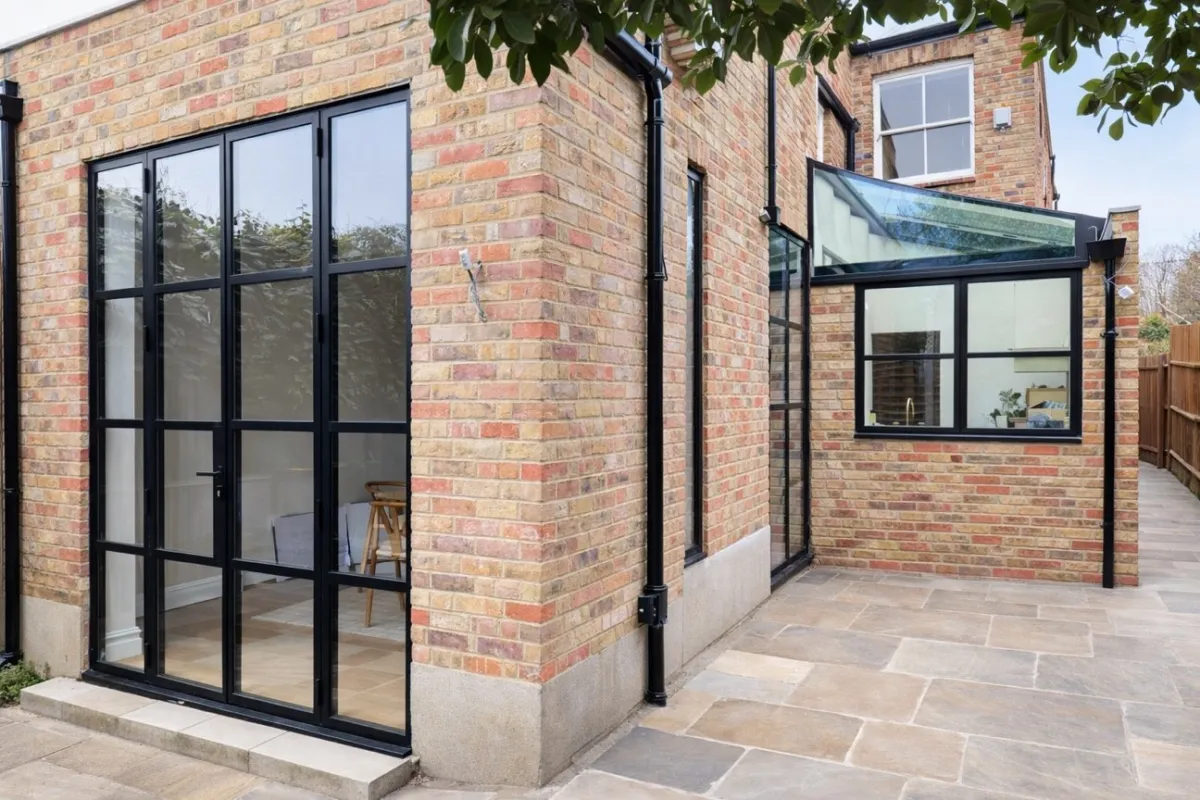
Crittall Windows Ltd began making steel windows in 1884 and still makes them in Witham, Essex. Here, Crittall windows means windows made by that company; the advice applies to older steel windows from other makers too, and the rules are for England. For new windows with the same look, our guide to steel-look windows covers style and cost.
What kind of steel windows do you have?
Age tells you most of what you need to know. Standard hot-rolled steel sections came first, with the F-range around 1914, and after the First World War firms such as Crittall spread the steel casement worldwide; these sections are the basis of the classic metal windows of the 1920s and 1930s (Traditional Windows, Historic England, 2017). They were strong, slim, cheap and fire-resistant, and they opened wider than timber sashes.
| When made | Finish | What it means |
|---|---|---|
| Before the 1950s | Generally not galvanised | Prone to rust, often on the horizontal glazing bars and bottom members |
| From about 1945 | Increasingly galvanised: dipped in molten zinc after fabrication | Protected against corrosion without extra paint |
| From the mid-1950s | Galvanised W20 sections | Most W20 sections are still available, in the lightweight version |
| From the 1970s | Polyester powder coating over the zinc | A factory finish that lasts much longer than paint applied on site |
To check, look for a tough silvery layer under the paint. If it is there, the window is galvanised and repair should be relatively straightforward.
Can Crittall windows be double glazed?
Only some can. Historic England lists steel window sections that can take a slim sealed unit among the cases where double glazing could be considered. Slim units are 10 to 16 mm thick and vacuum units about 6.5 mm, against 22 to 28 mm for standard double glazing, and all are much heavier than single glass, so the frame has to take both the extra thickness and the extra weight. Historic England's 2026 Advice Note 18 says slim or vacuum units within historic frames will generally be acceptable where the frame and bars can support them.
The bigger problem is the frame itself. In Historic England's tests on two steel windows, heat flowing through the metal greatly limited what slim double glazing could achieve, and its guidance calls thermal bridging through the frame and bars a particular issue in steel windows. Sealed units also wear out: the guidance estimates 15 to 25 years, and once the seals fail the units are likely to mist up inside.
A case study in the same guidance shows when it can work: steel windows with no historic glass, in sections deep enough for the units, were fitted with slim double glazing after a trial of secondary glazing. Swapping only the glass in an existing frame does not have to meet the energy standard for new windows in Approved Document L, which applies to the whole window, frame included.
How does secondary glazing compare for old steel windows?
It is one of the options. In the same tests, secondary glazing cut heat loss through the steel windows by up to 62% and roller blinds by up to 54%, while draught-proofing cut air leakage by over 95%. Historic England's guidance on secondary glazing says it may be chosen where windows are hard to draught-proof, and that many metal windows have gaps too large to seal.
If you choose secondary glazing, leave the steel window itself without draught-proofing: a little ventilation in the gap stops condensation building up between the two. Internal secondary glazing does not usually need planning permission (Planning Portal), and reversible secondary glazing does not generally need listed building consent (Historic England).
| Option | What stays | Watch out for |
|---|---|---|
| Repair and draught-proofing | Everything | Some gaps in metal windows are too large to seal |
| Secondary glazing | The whole steel window | Leave the outer window unsealed to limit condensation |
| Slim double glazing in the existing frame | The steel frame | Only if the sections can take the units; the frame still loses heat; consent likely in a listed building |
| New windows | Nothing | Should meet 1.4 W/m²K or band B; consent likely in a listed building |
Can old Crittall windows be repaired?
Often. Rust swells to as much as seven times the volume of the metal, so a window can look far worse than it is, and Historic England says even windows in a very bad state can often be repaired. Its guidance describes the usual work:
- Surface rust: wire brush and abrasive paper, then a zinc phosphate primer and paint.
- Deeper rust: rake it out, prime, fill with a metal filler and repaint.
- Badly corroded sections: cut out and replaced, if a steel fabricator can find or make matching sections, with any welding done off site on parts that can be taken out.
- Workshop overhaul: blast cleaning, then galvanising.
- Bent frames: slight distortion can usually be eased back without taking the glass out.
Find out why the rust started, too. Neglected paint, failed putty and a leaking seal around the frame let water in, and flaking or blistered paint is often the first sign. As rust expands, it can crack the glass.
When should you replace Crittall windows?
When the steel cannot be repaired at a sensible cost, when the windows are later replacements that do not suit the house, or when you want a new window built to today's energy standard. Historic England notes that steel windows of a very similar pattern are still made, with a durable powder-coated finish. The manufacturer's current ranges, such as Crittall Corporate W20, are galvanised and double glazed.
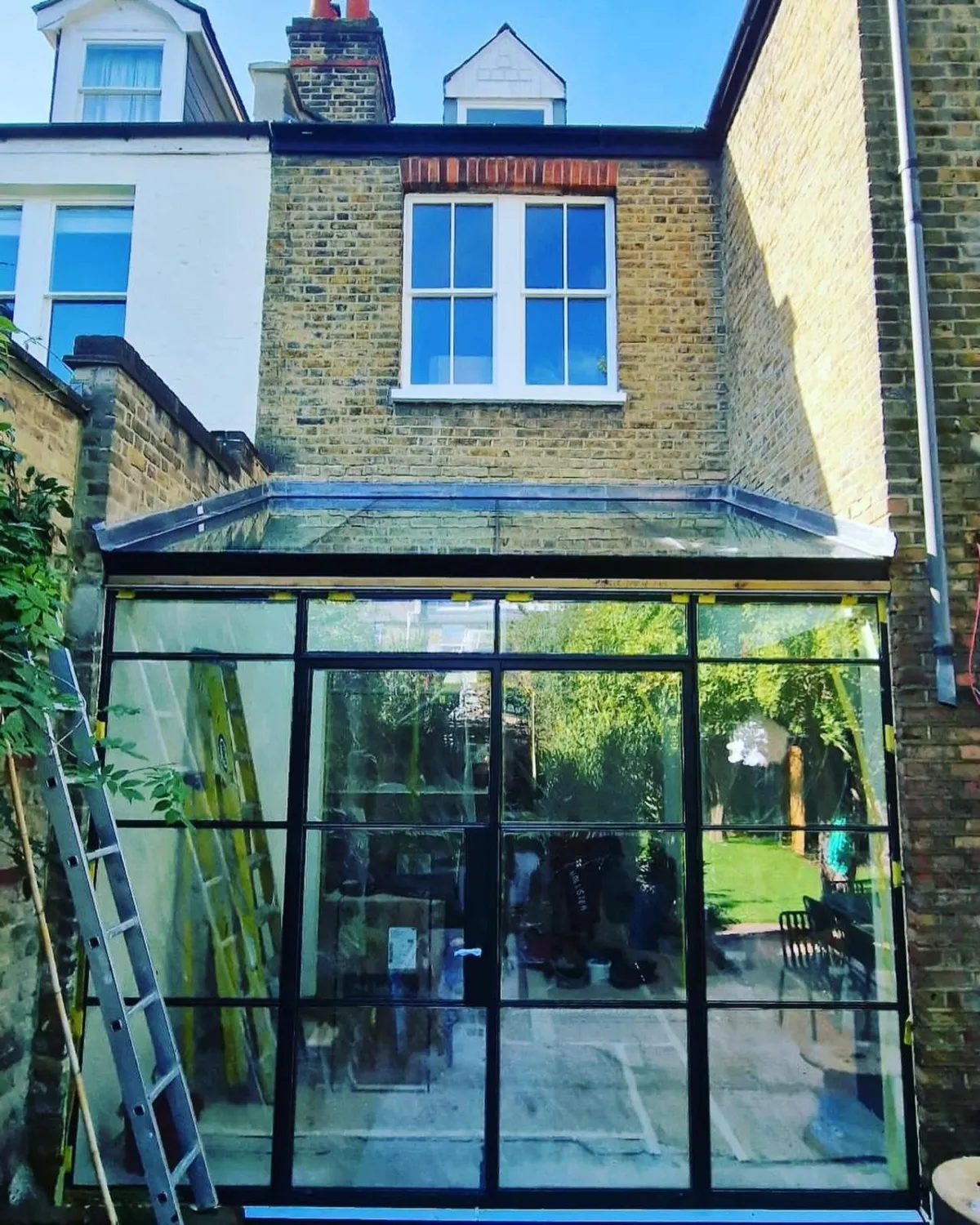
A whole new window should meet the energy standard, with exceptions for listed buildings and conservation areas below: a U-value of 1.4 W/m²K or Window Energy Rating band B, a figure the 2026 edition of Approved Document L, in force from 24 March 2027, keeps. We fit original Crittall windows, which are steel, and we also make our own industrial style windows, in steel or in lower-cost steel-look aluminium, made to measure with slim frames and glazing bars, as well as other aluminium windows.
Do you need permission to replace Crittall windows?
The windows are not protected on their own; the status of the building decides.
- Listed building: replacing windows is likely to need listed building consent (Advice Note 18), and works that affect its character without consent are prohibited under the Planning (Listed Buildings and Conservation Areas) Act 1990.
- House in a conservation area: new windows of similar appearance to those used in the construction of the house do not usually need planning permission, but an Article 4 direction can remove that right, and conservation areas may have extra restrictions (Planning Portal). Historic England suggests checking the council's conservation area appraisal.
- Flat: householder permitted development rights do not apply to flats (government technical guidance), and a leaseholder may need the landlord's permission first.
Where a new window cannot meet the energy standard without harming the character of a listed building or conservation area, Approved Document L accepts a centre-pane U-value of 1.2 W/m²K or single glazing with low-emissivity secondary glazing.
What should you check before you decide?
- Each window: have them surveyed one by one, and ask whether the steel is galvanised.
- Two prices: one for repair or new glass, one for new windows, with the same windows in both.
- Performance: for new windows, the certified U-value or Window Energy Rating of the exact window, bars included.
- Vents and escape: if the old windows had no trickle vents, ventilation must be no worse than before, which can mean adding vents (Approved Document F), and an escape window should keep at least the same potential for escape, or the minimum opening if the old one was larger than needed (Approved Document B).
- Installer: a registered installer can self-certify the work; check the government list of competent person schemes.
Frequently Asked Questions
When were Crittall windows first used?
Crittall Windows says it began making steel windows in 1884 in Braintree, Essex, and opened its Witham factory in 1919. Historic England dates the standard F-range sections to around 1914, and after the First World War steel windows became the classic metal windows of the 1920s and 1930s.
Do Crittall windows rust?
They can, if water gets past the paint or putty. Historic England says steel windows made before the 1950s were generally not galvanised and are prone to rust, while those from the mid-1950s will probably be galvanised; Crittall says it opened a galvanising plant in 1939. Sound paint, putty and seals keep water out.
Are Crittall windows protected?
Not in their own right. Replacing them is likely to need listed building consent if the building is listed, and planning permission may be needed under an Article 4 direction. Otherwise, in a house, similar-looking new windows do not usually need planning permission (Planning Portal); flats have no householder permitted development rights.
Do Crittall windows cause condensation?
Condensation forms when warm, damp air meets a cold surface, and in Historic England's tests the steel frames contributed strongly to heat loss through the window. If you add secondary glazing, leave the outer window unsealed so the gap is ventilated, or condensation can build up between the two layers.
Can you still buy Crittall windows?
Yes. Crittall Windows still makes steel windows and doors in Witham, Essex, and Historic England notes that most W20 sections, introduced in the mid-1950s, are still available in their lightweight version. Steel windows of a very similar pattern to older designs can also be supplied with a powder-coated finish.
Sources
- Adapting Historic Buildings for Energy and Carbon Efficiency: Advice Note 18, Historic England, 16 February 2026
- Traditional Windows: their care, repair and upgrading, Historic England, 2017 (under review)
- Modifying Historic Windows as Part of Retrofitting Energy Saving Measures, Historic England, updated 23 July 2024
- Energy Efficiency and Historic Buildings: Secondary glazing for windows, Historic England, 2016
- Doors and windows: planning permission, Planning Portal, page undated
- Approved Document L: Conservation of fuel and power, Volume 1: Dwellings, UK government, 2021 edition incorporating 2023 amendments
- Planning (Listed Buildings and Conservation Areas) Act 1990, section 7, legislation.gov.uk
- When is permission required?, planning practice guidance, UK government, updated 26 July 2023
- Our History, Crittall Windows Ltd (manufacturer), page undated
- The Crittall Trademark, Crittall Windows Ltd (manufacturer), page undated
Final Thoughts
Have each steel window surveyed before you decide. Sound frames can be repaired or reglazed; where the steel is past saving, or you want a new window's performance, new windows in steel or aluminium can follow the same lines.
We look after and repair the Crittall windows we have supplied and fitted, but we do not fit secondary glazing. See samples and finishes at our showroom in Fulham, or ask for a free estimate.
Crittall is a registered trade mark of Crittall Windows Ltd. No1 London is an independent company and is not affiliated with Crittall Windows Ltd.