uPVC vs Timber Sash Windows: Which Should You Choose?
uPVC vs timber sash windows comes down to the house and the budget. Timber is the closest match on a period front and can be repaired, uPVC usually costs less and needs little upkeep, and aluminium gives slim, strong frames in many colours. In a listed building or a conservation area, the material can decide what you may fit.
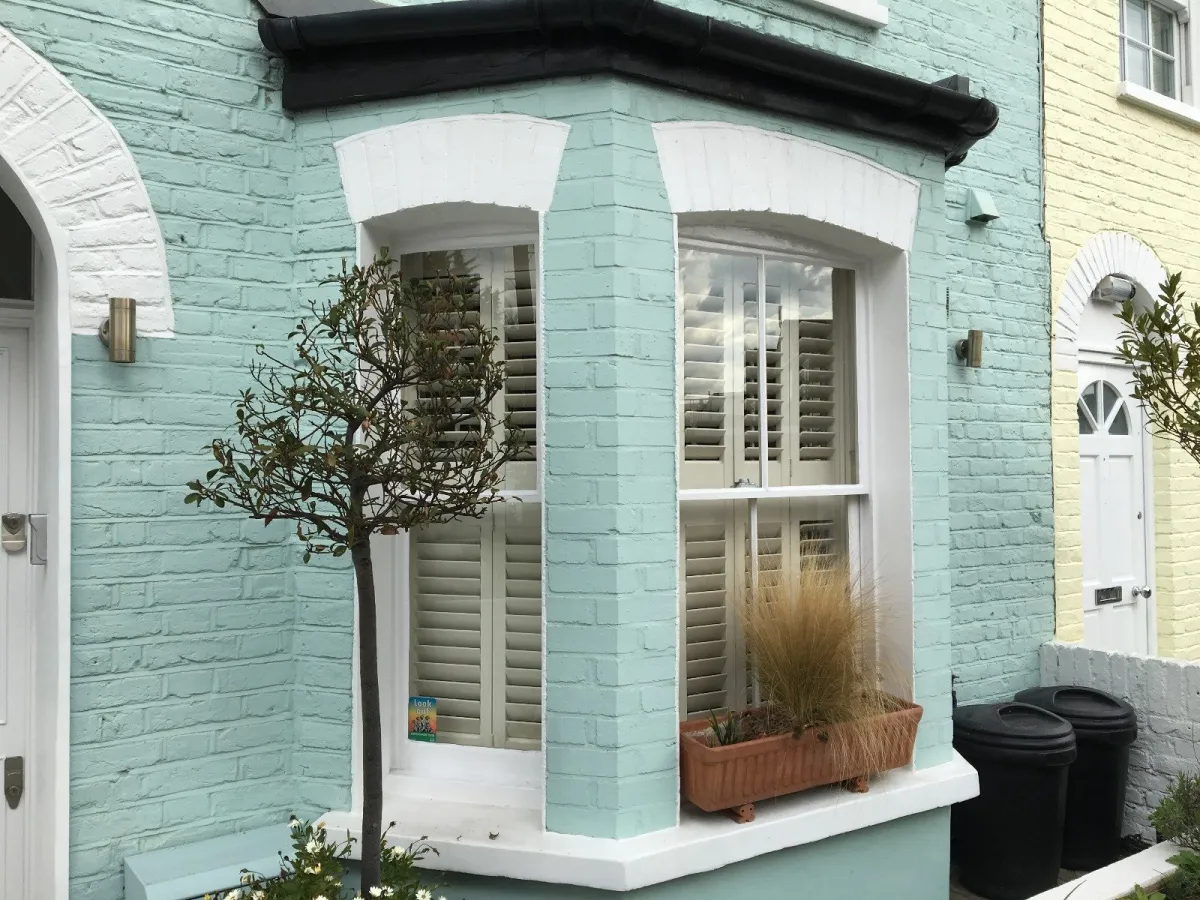
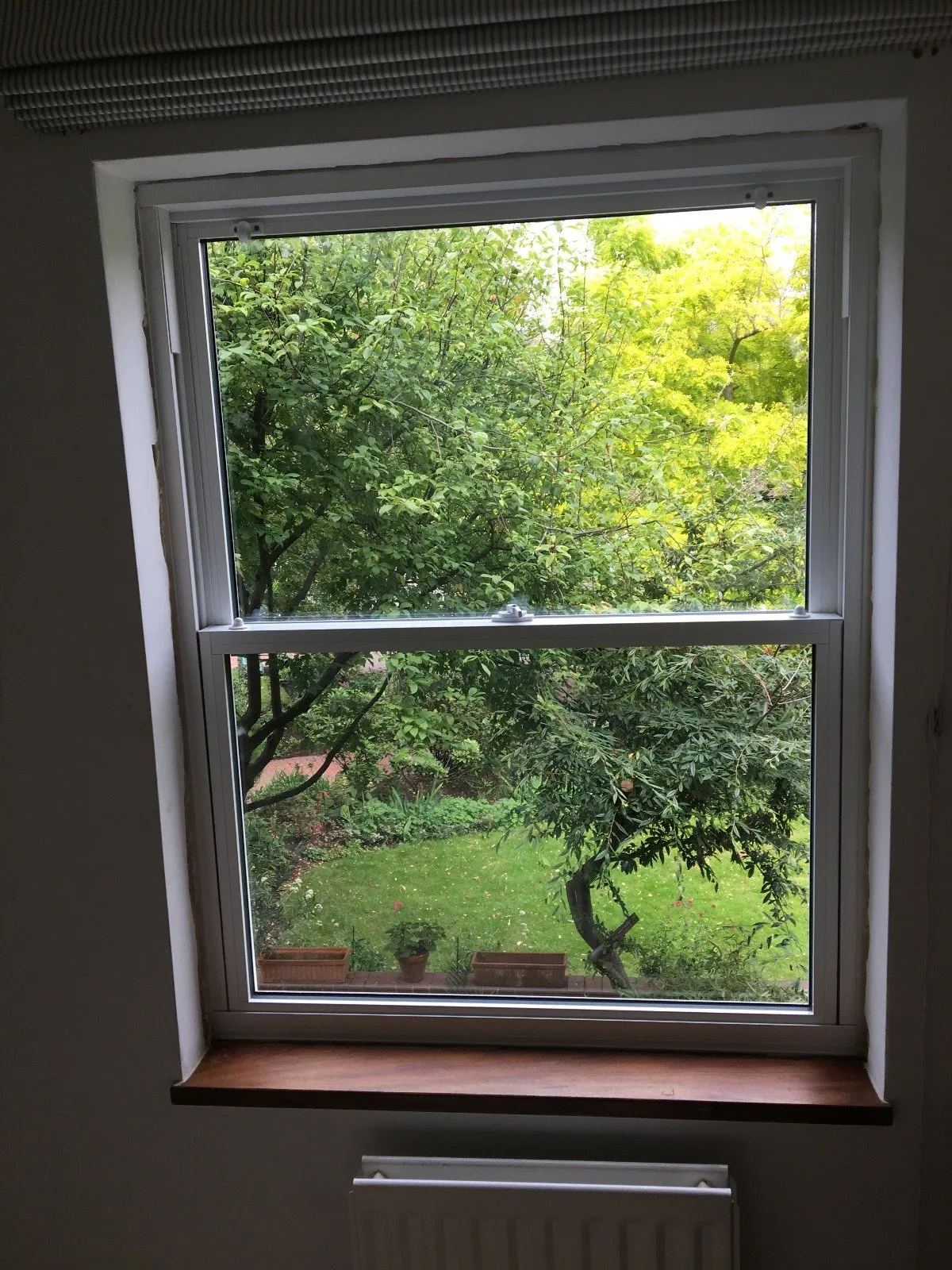
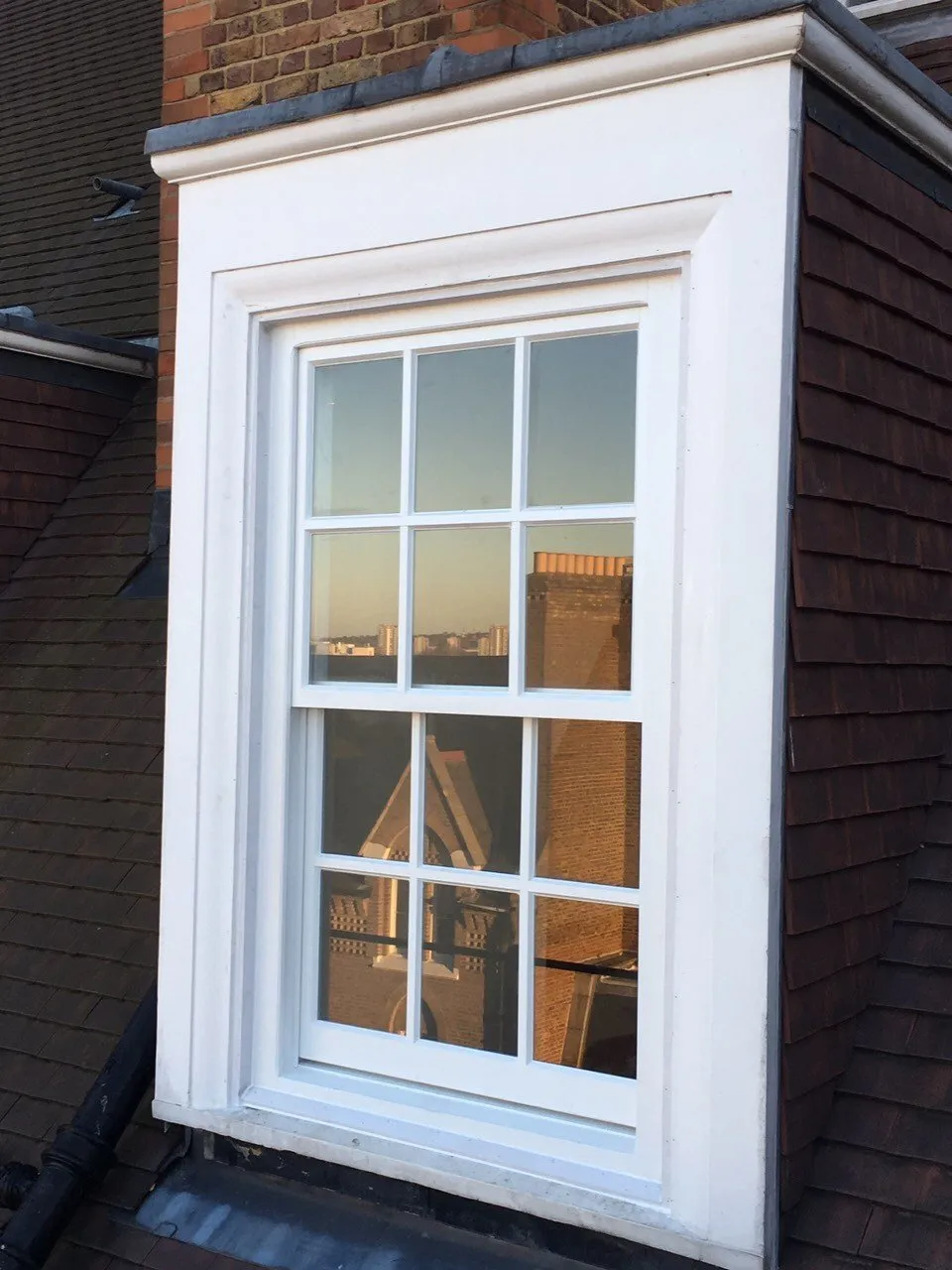
We make sash windows in all three. Timber, made from pine, is the most popular choice with our customers, and we give a guarantee of up to 30 years on selected timber sash windows. Our sash windows usually have 4/16/4 double glazing, a 24 mm sealed unit, and run on weights and pulleys, with spring balances mainly where the wall has no room for the weight boxes.
How do timber, uPVC and aluminium sash windows compare?
Each material has to meet the same energy standard. In England a whole new window should reach a U-value of 1.4 W/m²K or Window Energy Rating band B, whatever the frame is made of (Approved Document L). The differences are in looks, upkeep, cost and what an older house allows.
| Feature | Timber | uPVC | Aluminium |
|---|---|---|---|
| Look up close | Can copy slim frames and glazing bars closely | Woodgrain and slim glazing bars can give a traditional look | Thin, strong sections and dark colours |
| Upkeep | The most: look it over yearly, redecorate before the finish cracks | Wash with mild soapy water, keep drainage slots clear | Less than timber |
| Cost | Usually more than uPVC | Usually the lowest of the three | Usually more than uPVC |
| Repair | Damaged parts can be pieced in | Complete replacement is often the only option | Ask which parts can be replaced |
| Older buildings | The traditional match | Historic England considers it unsuitable | Depends on the pattern and the council |
Is uPVC or timber better for a period house?
Timber, if the front matters most. Georgian, Victorian and Edwardian houses were built with wooden windows, and new wooden windows can copy their slim frames, glazing bars and sliding sashes closely. Historic England considers uPVC unsuitable for older buildings, particularly listed ones and those in conservation areas, and notes that its glazing bars are often plastic strips inside the sealed unit.
That is not the whole picture for an ordinary house. The government's permitted development guidance says it may be appropriate to replace existing windows with new uPVC double-glazed windows, as long as they look similar to the windows in the house in overall shape and in the colour and size of the frames. So on an unlisted house outside a conservation area, uPVC windows in the right pattern can be a sensible saving, especially at the back.
Check the rules before you choose. The Planning Portal says new windows of similar appearance usually do not need planning permission, but an Article 4 direction can remove that right, and flats do not have householder permitted development rights at all. In a listed building, works that affect its character need consent under the Planning (Listed Buildings and Conservation Areas) Act 1990, and Historic England's Advice Note 18 accepts double-glazed replacements of appropriate material and pattern only for windows that add nothing to the building's interest.
Are uPVC sash windows cheaper than wood?
Usually, at the start. Our uPVC windows usually cost less than aluminium or timber, and the price of any sash window depends on the material, the type of glass and, for timber, the species of wood. There is no official price list. The HomeOwners Alliance, a consumer group, gives averages credited to Checkatrade of £1,300 for a sash window and £1,490 for a timber sash window (guide updated 8 October 2026); the Checkatrade figures are undated and VAT is not stated.
Look past the first price too. Historic England calls the service life of uPVC windows relatively short, less than 25 years, against well-maintained traditional windows, many of which have lasted more than 100 years. Its guidance on traditional windows adds that uPVC is hard to repair, so complete replacement is often the only option, while timber can be repaired by piecing in new wood. Timber, in turn, needs regular repainting, which is part of its cost.
When do aluminium sash windows make sense?
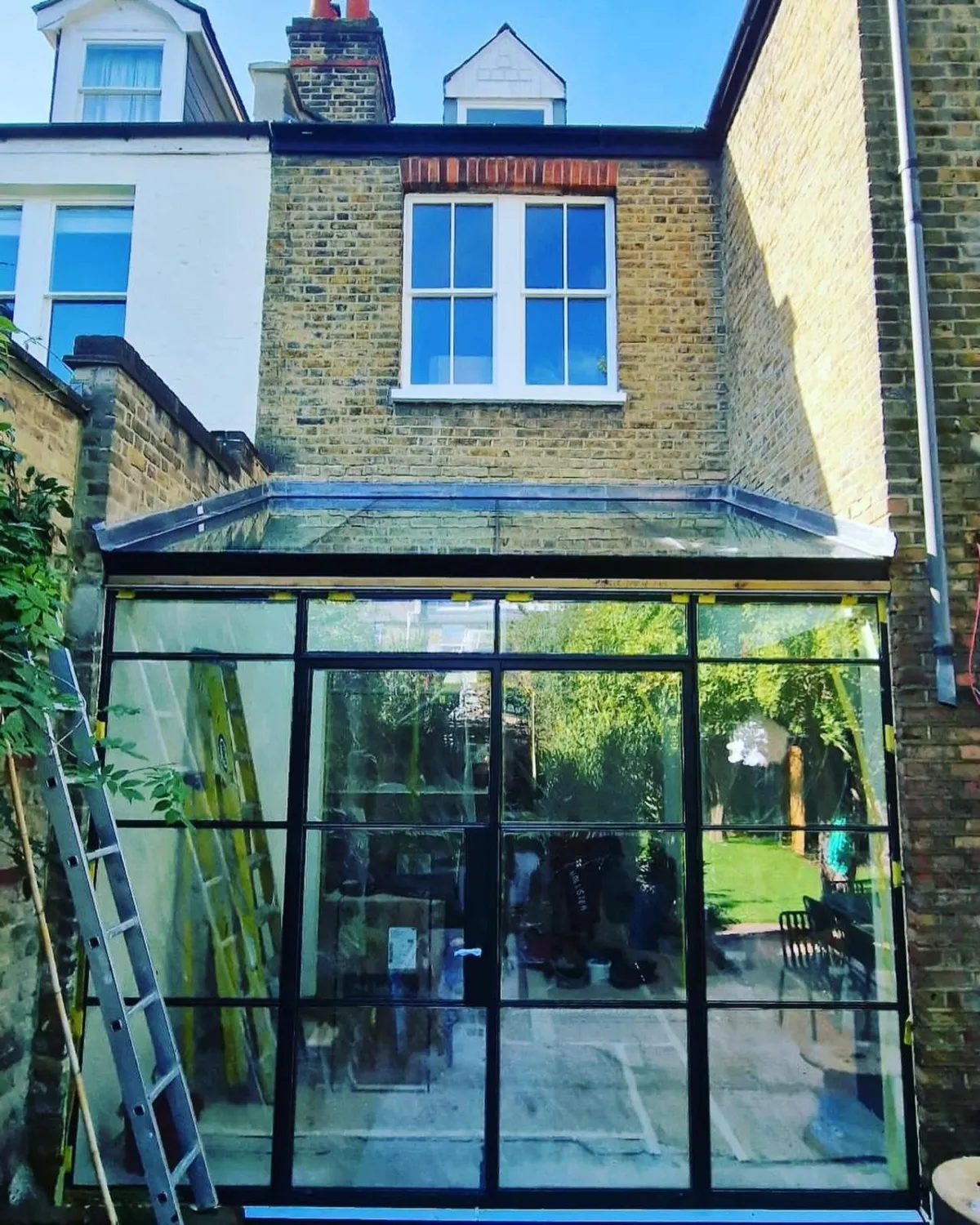
When you want slim frames, large panes or a strong colour. The metal is strong, so a thin section can hold a big pane, and our aluminium windows have a thermal break between the inner and outer parts of the frame to slow heat passing through the metal. That suits a modern house, a rear elevation or a large sash.
On a period front, the same test applies as for uPVC: the new window should look similar to what the house was built with, so compare a corner sample with the old frame before you decide.
How much upkeep does each material need?
Timber needs the most. Look the frames over once a year, check the corners, the bottom rail and the sill, and redecorate before the finish cracks or peels; Historic England's overhaul guidance puts repainting on a five to eight year cycle. The reward is a window that can be repaired rather than replaced.
uPVC needs the least: wash the frames with mild soapy water, keep the drainage slots clear, and check that hinges and handles move smoothly. Aluminium also needs less upkeep than timber; clean the frames and check the seals and hardware now and then.
What should you ask before you order?
- Which material, and for timber, which species of wood.
- Whether the glazing bars divide the glass or are fixed to a single sealed unit.
- The glass specification and the certified U-value or Window Energy Rating of the whole window.
- Whether the sashes run on weights and pulleys or spring balances, and why.
- Whether the installer is on a competent person scheme, so the work can be certified.
- The lead time in writing: ours is usually around eight weeks.
- The guarantee terms, in writing, for the exact windows on the quote.
- Whether the house is listed, in a conservation area or covered by an Article 4 direction.
If you are still deciding whether to repair your sashes or replace them, see our guide to replacing sash windows; for matching a period pattern, see sash window styles. Our comparison of uPVC vs wooden windows covers other window types.
Frequently Asked Questions
Are uPVC sash windows any good?
They suit many ordinary houses. uPVC usually costs less than timber or aluminium and needs very little upkeep, and government guidance accepts uPVC that looks similar to the windows the house has. Historic England notes that uPVC frames are usually thicker, and considers uPVC unsuitable for older buildings, particularly listed ones and those in conservation areas.
Do timber sash windows last longer than uPVC?
With care, usually yes. Historic England puts the service life of uPVC windows at less than 25 years, while many well-maintained traditional timber windows have lasted more than 100 years. Timber needs regular repainting and can be repaired by piecing in new wood, whereas uPVC often has to be replaced as a whole.
Can you get aluminium sash windows?
Yes. We make sash windows in aluminium as well as timber and uPVC. Aluminium is strong, so a thin frame can hold a large pane, and it comes in a range of colours, including dark ones. It has to meet the same energy standard as other materials.
Can I replace timber sash windows with uPVC in a conservation area?
Check with your council first. New windows of similar appearance usually need no planning permission, but an Article 4 direction can remove that right, and Historic England says these are particularly relevant in conservation areas, where it considers uPVC unsuitable. In a listed building, replacing windows is likely to need listed building consent.
What glass do your sash windows have?
Usually 4/16/4 double glazing: two 4 mm panes with a 16 mm gap, a 24 mm sealed unit. A whole new window should reach a U-value of 1.4 W/m²K or Window Energy Rating band B in England. For listed buildings, slimmer units are sometimes used to keep the original frames.
Sources
- Modifying Historic Windows as Part of Retrofitting Energy Saving Measures, Historic England, updated 23 July 2024
- Traditional Windows: their care, repair and upgrading, Historic England, 2017 (under review)
- Adapting Historic Buildings for Energy and Carbon Efficiency: Advice Note 18, Historic England, 16 February 2026
- Permitted development rights for householders: technical guidance, UK government, September 2019
- Doors and windows: planning permission, Planning Portal, page undated
- When is permission required?, planning practice guidance, UK government, updated 26 July 2023
- Planning (Listed Buildings and Conservation Areas) Act 1990, section 7, legislation.gov.uk
- Approved Document L: Conservation of fuel and power, Volume 1: Dwellings, UK government, 2021 edition incorporating 2023 amendments
- Competent person scheme: current schemes and how schemes are authorised, UK government
- Replacing Windows: What To Expect, HomeOwners Alliance (consumer group), updated 8 October 2026
Final Thoughts
Choose timber where the front and the long view matter, uPVC where cost and low upkeep come first on an ordinary house, and aluminium for slim frames and strong colours. Check the planning rules before you settle on a material.
Compare samples and finishes at our showroom in Fulham, or ask for a free estimate for your own windows.