Sash Windows vs Casement Windows: Which Suits Your Home?
Sash windows vs casement windows is mostly a choice of house and room. Sashes slide and suit Georgian, Victorian and Edwardian fronts; casements are hinged, open wider and suit cottages, Arts and Crafts houses and modern homes. Both must meet the same energy standard, so the real differences are airflow, escape, cleaning and planning.
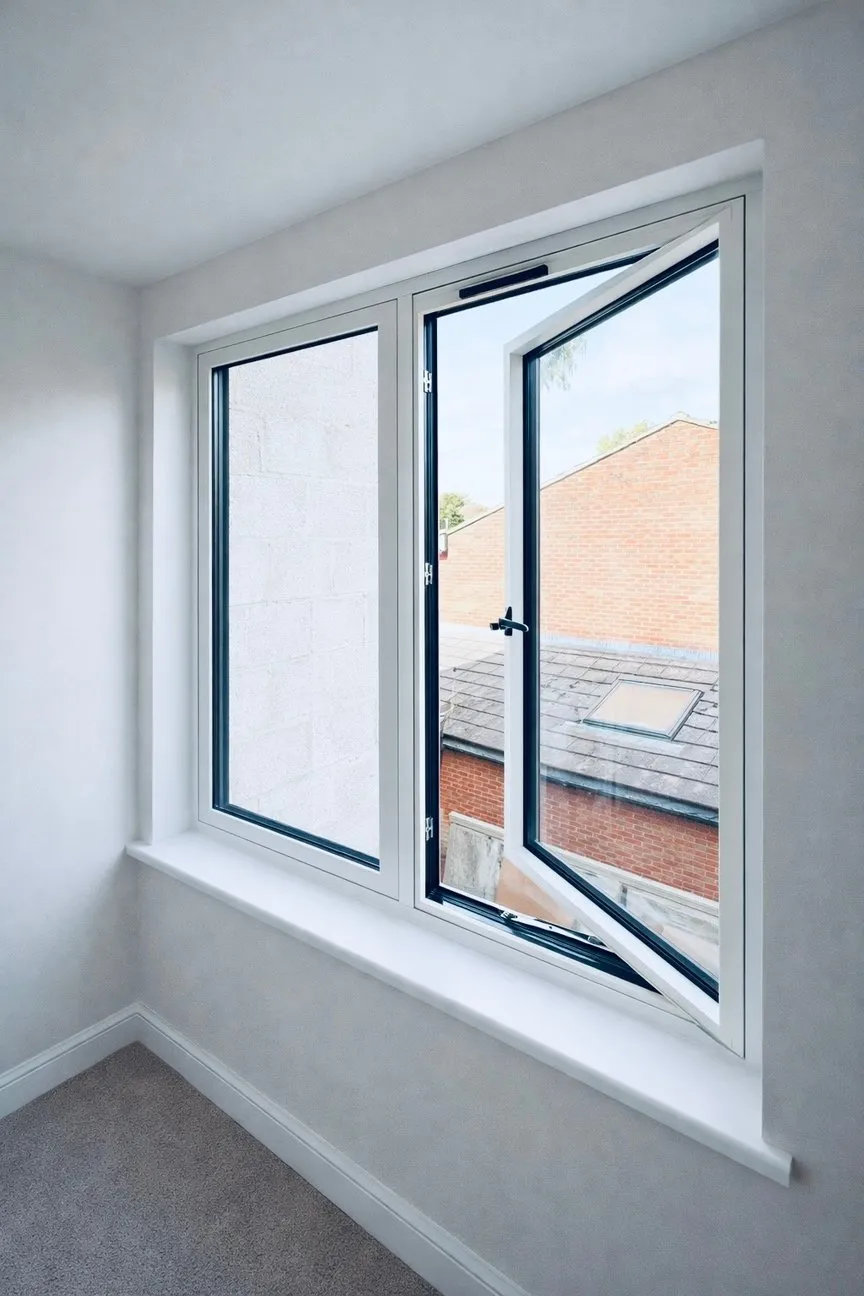
We make both. Our sash windows come in timber, uPVC and aluminium and mostly run on weights and pulleys, and our casement windows are made to measure in timber, aluminium or uPVC, side hung or top hung.
What is the difference between sash and casement windows?
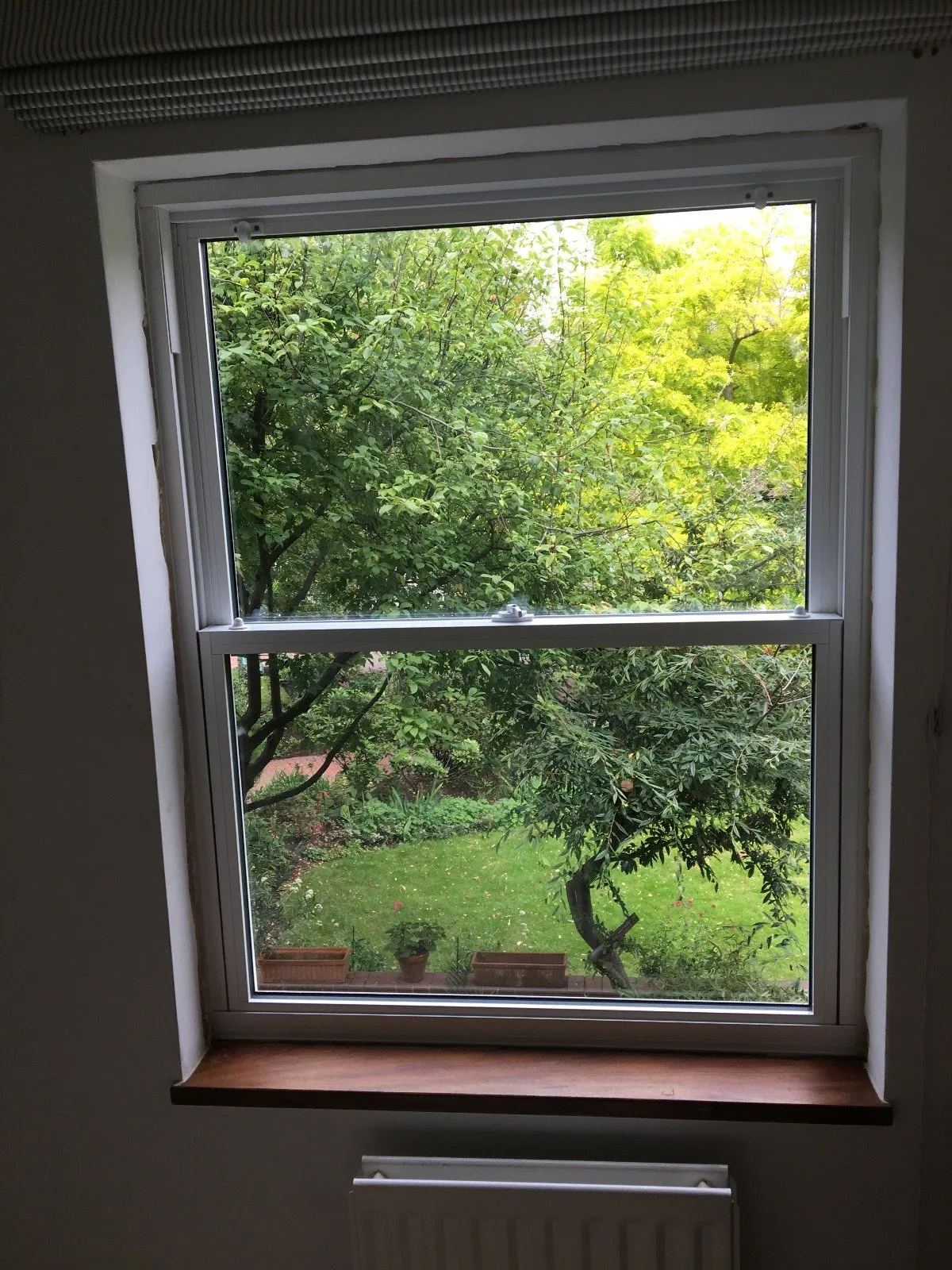
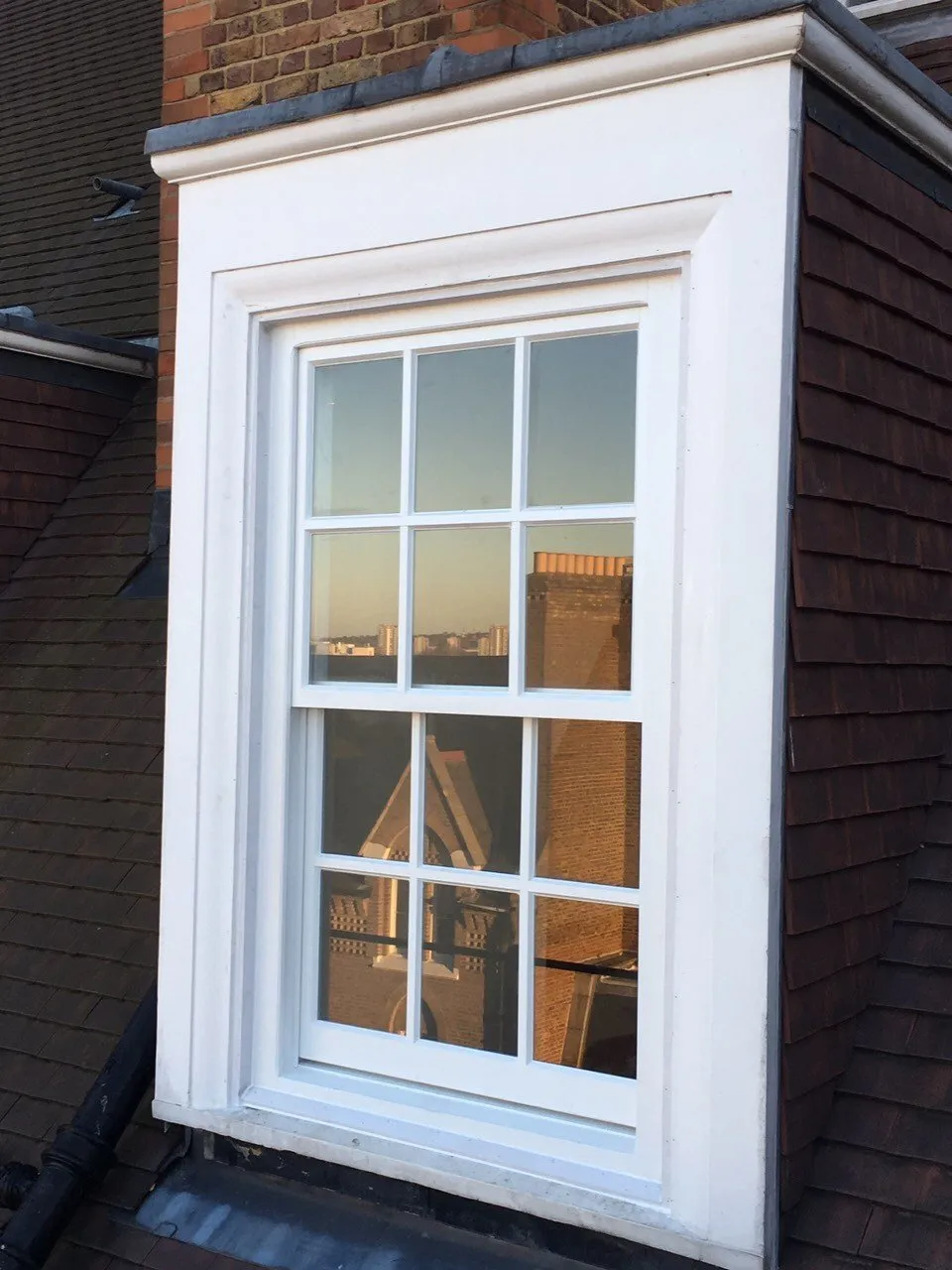
A sash window has two panels that slide up and down in one frame, balanced by hidden weights so each stays where you leave it. A casement is hinged at the side or the top and swings open, usually outwards. Our guide to types of windows covers the other styles.
| Feature | Sash | Casement |
|---|---|---|
| How it opens | Slides up or down, top and bottom | Swings on hinges, usually outwards |
| Open area | The two sashes overlap, so only part of the frame opens | The whole opening light can swing clear |
| Staying open | The weights hold it in place | Needs a stay or restrictor to hold it |
| Airflow | A small, steady opening, even in poor weather | A wider opening for a quick change of air |
| Typical houses | Georgian, Victorian and Edwardian fronts | Cottages, Arts and Crafts, 1930s and modern homes |
Historic England's guide to traditional windows explains the history: the counterweighted sash gave a far more subtle way to ventilate a room than the old side-hung casement, while wooden casements stayed in use for small houses, rural buildings and Arts and Crafts houses well into the 20th century. In the 1920s and 1930s, steel casements were chosen because they could open wider than wooden sashes.
Which lets in more air, a sash or a casement?
A casement usually opens more of its area, but a sash is better at a small, steady opening. Each habitable room needs purge ventilation for clearing the air quickly, and Approved Document F (Table 1.4) sets the opening area for windows.
- Sash windows, and casements that open 30 degrees or more: at least 1/20 of the floor area of the room
- Casements that open between 15 and 30 degrees: at least 1/10 of the floor area
- Casements that open less than 15 degrees do not count for purge ventilation
So a 12 m² bedroom needs at least 0.6 m² of opening from a sash or a wide-opening casement. Ask for the clear opening on the quote, not just the window size. When windows are replaced, existing trickle vents should be matched, and ventilation should be no worse than before.
Can a sash window be an escape window?
Yes, if it opens far enough. In a house with upper floors no more than 4.5 m above the ground and one stair, Approved Document B asks for every habitable room, except a kitchen, to have an emergency escape window or direct access to a protected stair.
An escape window needs a clear opening of at least 0.33 m², at least 450 mm high and 450 mm wide, with the bottom no more than 1,100 mm above the floor. It must stay open without being held, and locks and stays with child-resistant release catches are allowed. Because sashes overlap, check the clear opening of a sash carefully; a side-hung casement often reaches it more easily. A replacement must give at least the same means of escape as the window it replaces.
Do you need permission to change sash windows to casements?
Often, because it changes the look of the house. The Planning Portal says new windows of similar appearance usually do not need planning permission, and the government's permitted development guidance judges that on overall shape and the colour and size of the frames. Swapping sliding sashes for hinged casements on the front may not pass, so ask your council first.
An Article 4 direction can remove the right to replace windows without permission, flats have no householder permitted development rights, and in a listed building works that affect its character need consent under the Planning (Listed Buildings and Conservation Areas) Act 1990.
Which is easier to clean and maintain?
Ask how the outside glass will be cleaned on upper floors. Historic England notes that Simplex hinges can turn the bottom sash of a sliding sash window into a side-hung casement, which makes it easier to clean and repair where access is difficult.
A sash has cords, pulleys and weights to look after, while a casement has hinges, stays and seals. Either way, the material sets most of the upkeep: timber needs repainting, while uPVC and aluminium need less. Our comparison of uPVC vs timber sash windows covers that.
Which should you choose?
- On a Georgian, Victorian or Edwardian front, keep sashes: it is the look the house was built with and the least likely to raise planning questions.
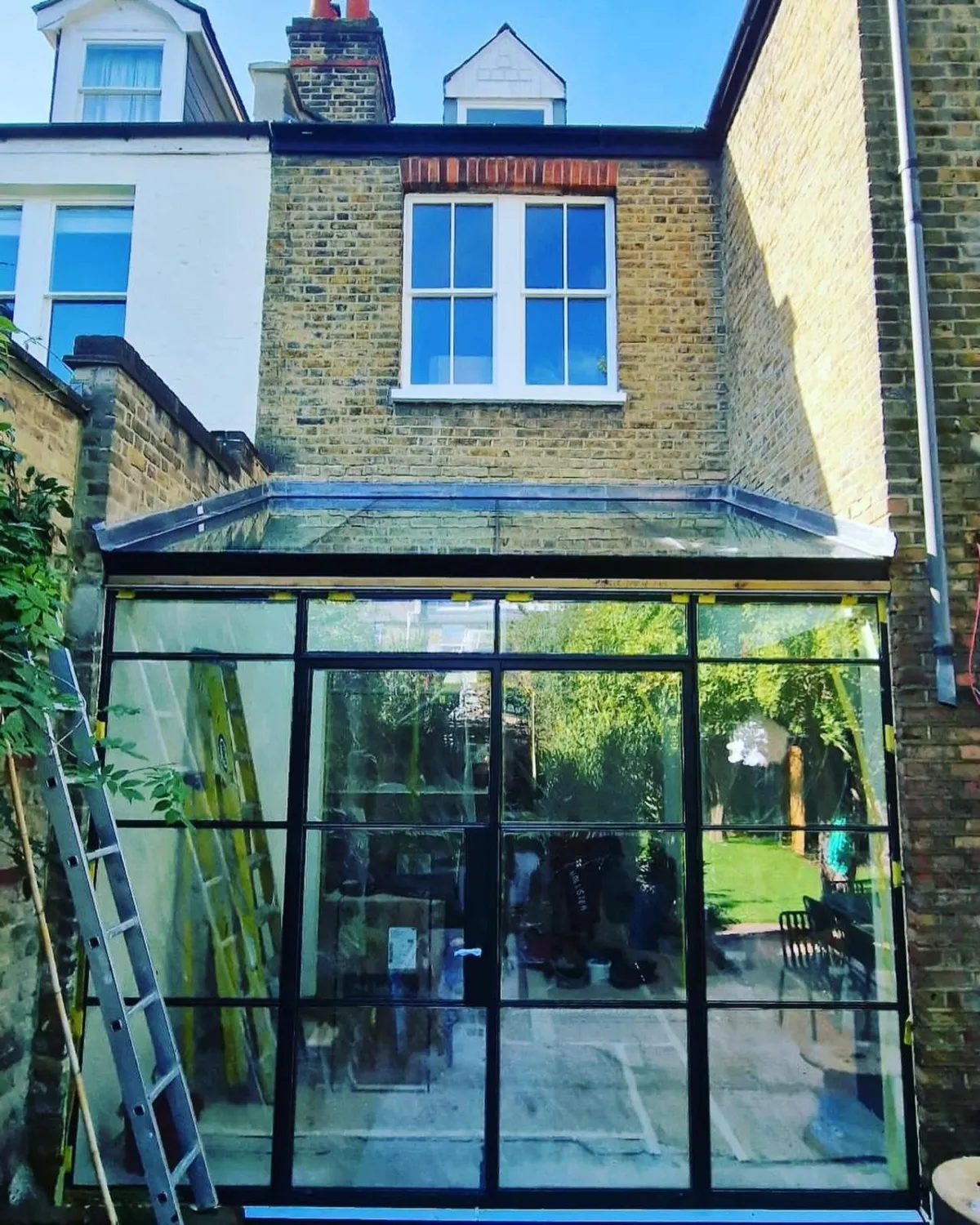
- On a cottage, an Arts and Crafts house or a 1930s house, follow the windows it was built with, often casements.
- On a rear elevation, an extension or a modern house, choose by the room: casements for the widest opening, sashes for a small opening in poor weather.
- In a bedroom that needs an escape window, check the clear opening before you choose the style.
- For the slim look of 1930s steel casements, see our industrial style windows, in steel or lower-cost steel-look aluminium.
Frequently Asked Questions
Are sash windows better than casement windows?
Neither is better everywhere. Sashes suit the fronts of Georgian, Victorian and Edwardian houses and can be left slightly open in poor weather. Casements usually open more of their area, suit cottages, Arts and Crafts houses and modern homes, and often make an escape window easier. Choose by the house and the room.
Are casement windows cheaper than sash windows?
Usually. The HomeOwners Alliance, a consumer group, gives averages credited to Checkatrade of £925 for a timber casement window and £1,490 for a timber sash window (guide updated 8 October 2026). The figures are undated and VAT is not stated, so treat them as a guide and compare quotes for your own windows.
Do casement and sash windows have to meet the same energy rules?
Yes. In England a whole new window, of either type, should reach a U-value of 1.4 W/m²K or Window Energy Rating band B under Approved Document L. Ask for the certified figure of the exact window, and check that an installer on a competent person scheme can certify the work.
Which windows suit an Arts and Crafts or 1930s house?
Usually casements. Historic England says side-hung wooden casements stayed in use for Arts and Crafts houses well into the 20th century, and steel casements became the classic metal windows of the 1920s and 1930s. Match the pattern of the original windows, especially at the front of the house.
Can sash windows have trickle vents?
Yes. When windows are replaced, Approved Document F asks for new background ventilators at least as large as any in the old windows, and for ventilation to be no worse than before where the old windows had none. Ask where the vent will go and how it will look before you order.
Sources
- Traditional Windows: their care, repair and upgrading, Historic England, 2017 (under review)
- Approved Document F: Ventilation, Volume 1: Dwellings, UK government, 2021 edition
- Approved Document B: Fire safety, Volume 1: Dwellings, UK government, 2019 edition incorporating amendments to 2026
- Approved Document L: Conservation of fuel and power, Volume 1: Dwellings, UK government, 2021 edition incorporating 2023 amendments
- Doors and windows: planning permission, Planning Portal, page undated
- Permitted development rights for householders: technical guidance, UK government, September 2019
- When is permission required?, planning practice guidance, UK government, updated 26 July 2023
- Planning (Listed Buildings and Conservation Areas) Act 1990, section 7, legislation.gov.uk
- Replacing Windows: What To Expect, HomeOwners Alliance (consumer group), updated 8 October 2026
Final Thoughts
Match the window to the house first, then check the opening for ventilation and escape and the planning rules for the front.
See samples and finishes at our showroom in Fulham, or ask for a free estimate for your own windows.