uPVC vs Wooden Windows: Which Is Better for Your Home in 2026?

Choosing between uPVC and wooden windows is one of the most common dilemmas homeowners face when replacing windows or upgrading a property. Both options offer unique advantages, but they differ significantly in terms of maintenance, appearance, energy efficiency, lifespan, and cost.
With energy prices remaining high and homeowners placing greater focus on sustainability, security, and long-term value, selecting the right window material has never mattered more. Humanity really did evolve from building castles to spending three weeks comparing frame materials online. Remarkable species.
This guide breaks down the key differences between uPVC and timber windows to help you make an informed decision for your home.
What Are uPVC Windows?
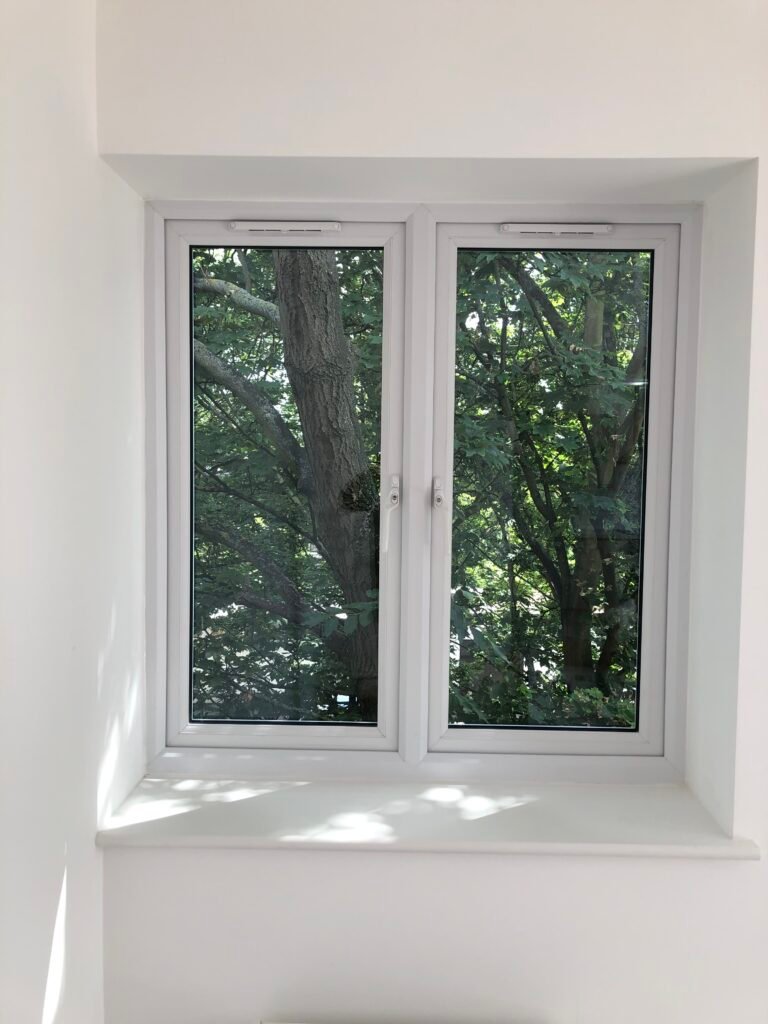
uPVC (unplasticised polyvinyl chloride) windows are made from a durable plastic material engineered for strength, insulation, and low maintenance.
They are widely installed across the UK because they offer:
- Excellent thermal efficiency
- Affordable pricing
- Weather resistance
- Minimal upkeep
- Long-lasting performance
Modern uPVC windows are available in a wide range of colours and finishes, including woodgrain effects designed to mimic traditional timber frames.
What Are Wooden Windows?
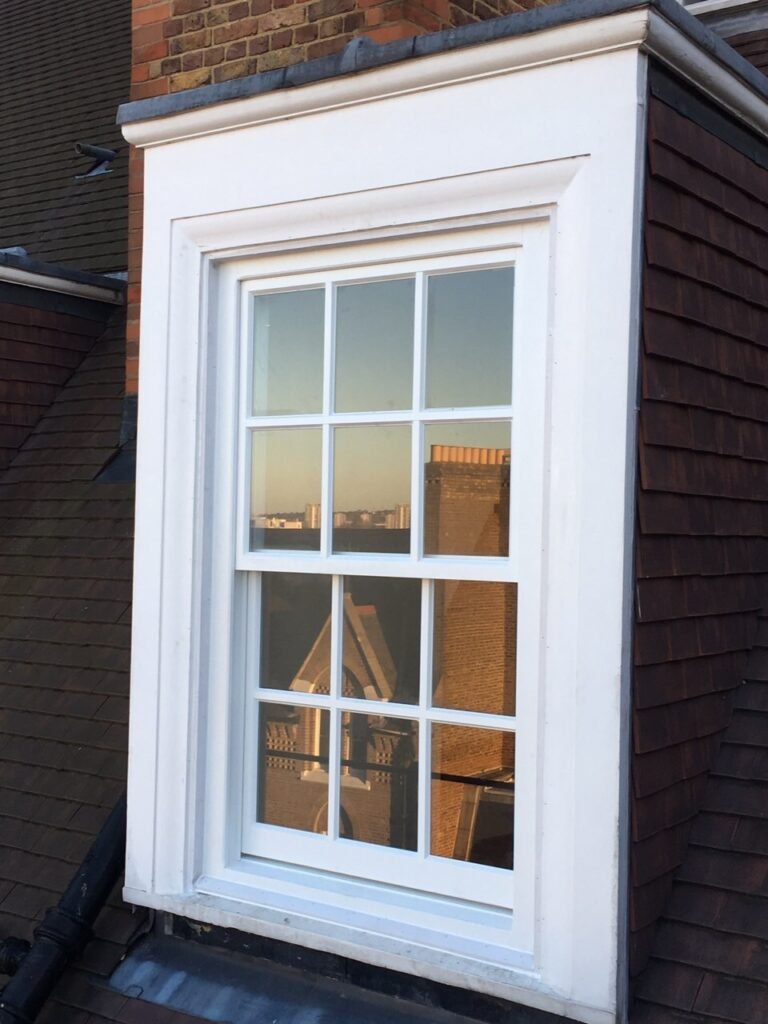
Wooden windows, also known as timber windows, are crafted from natural wood materials such as oak, pine, or engineered timber.
They are traditionally associated with:
- Period properties
- Heritage homes
- Luxury aesthetics
- Natural insulation properties
- Classic craftsmanship
Timber windows remain highly desirable due to their authentic appearance and timeless character.
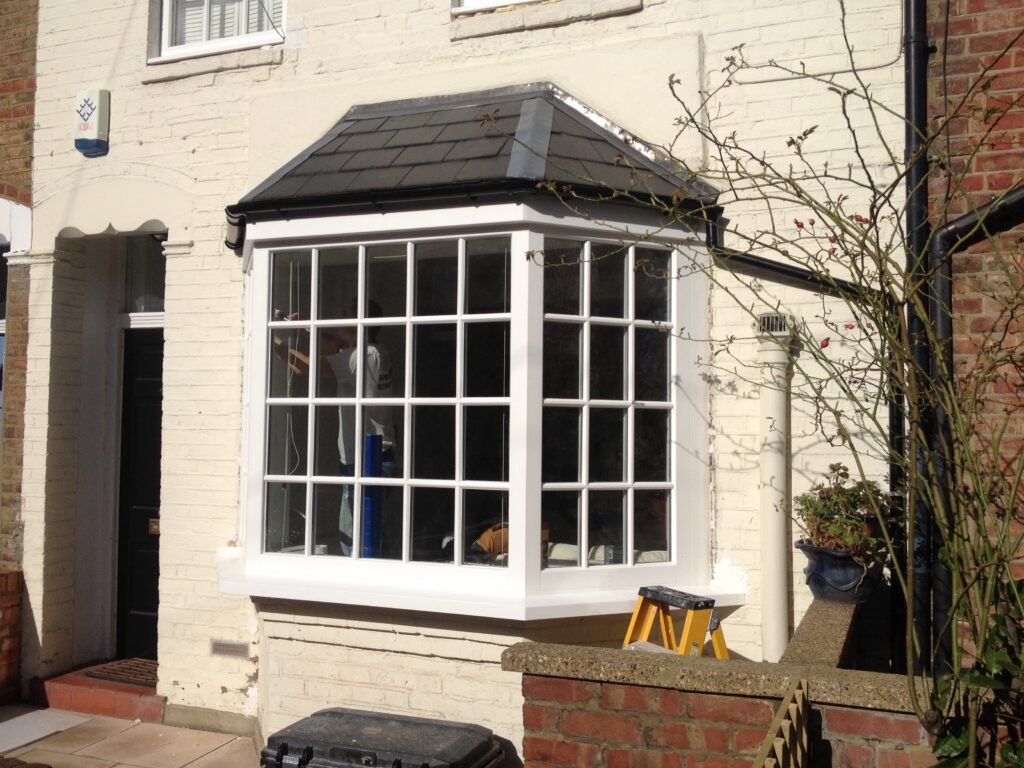
uPVC vs Wooden Windows: The Main Differences
1. Appearance & Kerb Appeal
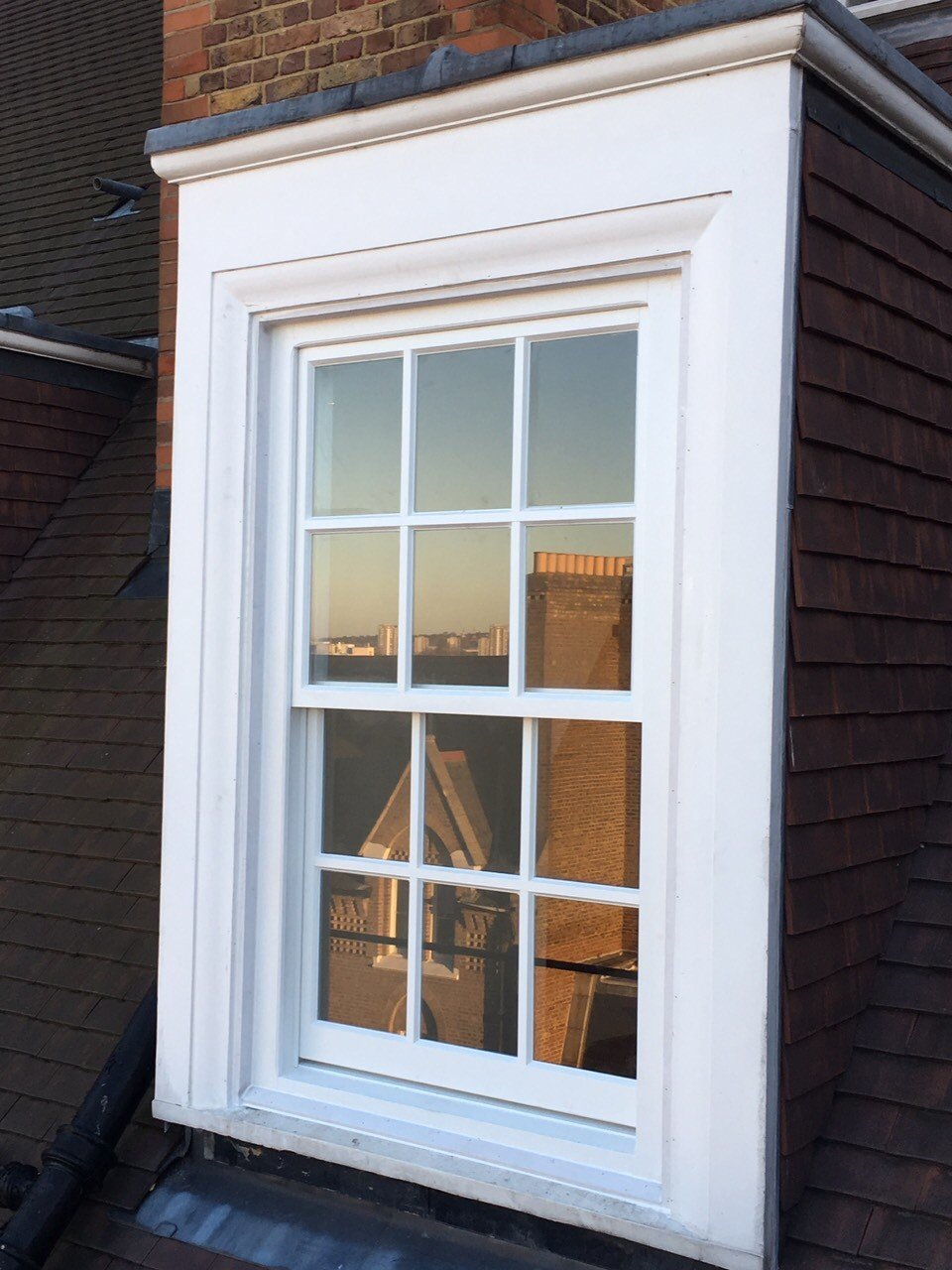
Wooden windows are often considered the premium choice aesthetically. Real timber offers warmth, texture, and authenticity that synthetic materials cannot fully replicate.
They are especially popular in:
- Victorian homes
- Georgian properties
- Listed buildings
- Conservation areas
uPVC windows, however, have improved dramatically over the years. Modern foiled finishes and flush sash designs allow them to closely resemble traditional timber while offering more practicality.
Best for appearance:
- Traditional homes: Wooden windows
- Modern practicality: uPVC windows
2. Maintenance Requirements
This is where uPVC pulls ahead significantly.
uPVC windows require very little maintenance beyond occasional cleaning. They do not rot, warp, or require repainting.
Wooden windows require:
- Regular painting or staining
- Protection against moisture
- Ongoing treatment to prevent rot and decay
Neglected timber windows can deteriorate over time, especially in harsh UK weather conditions. Rain. Wind. Moisture. The British climate continues its lifelong mission of personally attacking buildings.
Best for low maintenance:
- uPVC windows
3. Energy Efficiency
Both wooden and uPVC windows can provide excellent insulation when manufactured to modern standards.
Timber is naturally insulating, while uPVC uses multi-chamber frame technology to reduce heat transfer.
High-quality double or triple glazing can make either option highly energy efficient, helping to:
- Lower heating bills
- Reduce drafts
- Improve indoor comfort
- Increase EPC ratings
In many cases, the glazing specification matters more than the frame material itself.
Best for energy efficiency:
- Both perform very well when properly installed
4. Lifespan & Durability
Wooden windows can last for decades if properly maintained. Some historic timber windows have survived for over 100 years.
However, longevity depends heavily on maintenance.
uPVC windows typically last:
- Around 20 to 35 years
- With minimal upkeep
- Without repainting or sealing
Aluminium may win the longevity Olympics overall, but between these two, uPVC offers durability with far less effort.
Best balance of durability and convenience:
- uPVC windows
5. Environmental Impact
This category is more nuanced.
Wood is a renewable natural material, particularly when sourced responsibly. Timber windows are often viewed as the more environmentally friendly option.
However:
- Poorly maintained timber may need replacing sooner
- Modern uPVC can now be recycled extensively
- Energy-efficient windows of any type reduce carbon emissions over time
The sustainability of either option depends heavily on manufacturing quality and lifespan.
6. Cost Comparison
uPVC windows are generally more affordable than timber windows.
Wooden windows usually cost more because of:
- Material sourcing
- Craftsmanship
- Manufacturing complexity
- Ongoing maintenance costs
For homeowners on a tighter budget, uPVC often provides the best value overall.
Best for affordability:
- uPVC windows
Which Windows Are Better for Your Home?
Choose uPVC windows if:
- You want low maintenance
- Budget matters
- You prioritise practicality and efficiency
- You want modern performance with traditional styling options
Choose wooden windows if:
- You own a heritage or listed property
- Authentic appearance is essential
- You value natural materials and craftsmanship
- You are willing to maintain them properly
There is no single “best” option. The right choice depends on your property style, long-term expectations, and budget.
Final Thoughts
Both uPVC and wooden windows offer excellent benefits when professionally manufactured and installed. Timber provides timeless elegance and traditional character, while uPVC delivers modern efficiency, affordability, and convenience.
At No1 London, we help homeowners, landlords, and developers choose the right window solution for their property and budget. Whether you’re considering modern uPVC systems or classic timber-style designs, our experienced team is here to advise, assist, and guide you through every stage of the process.
As a trusted supplier of windows and doors across London, No1 London focuses on quality products, professional installation, and honest advice tailored to your property’s needs.
Because replacing windows should improve your home, not become a part-time research project that consumes your evenings and makes you suddenly care deeply about thermal bridging.