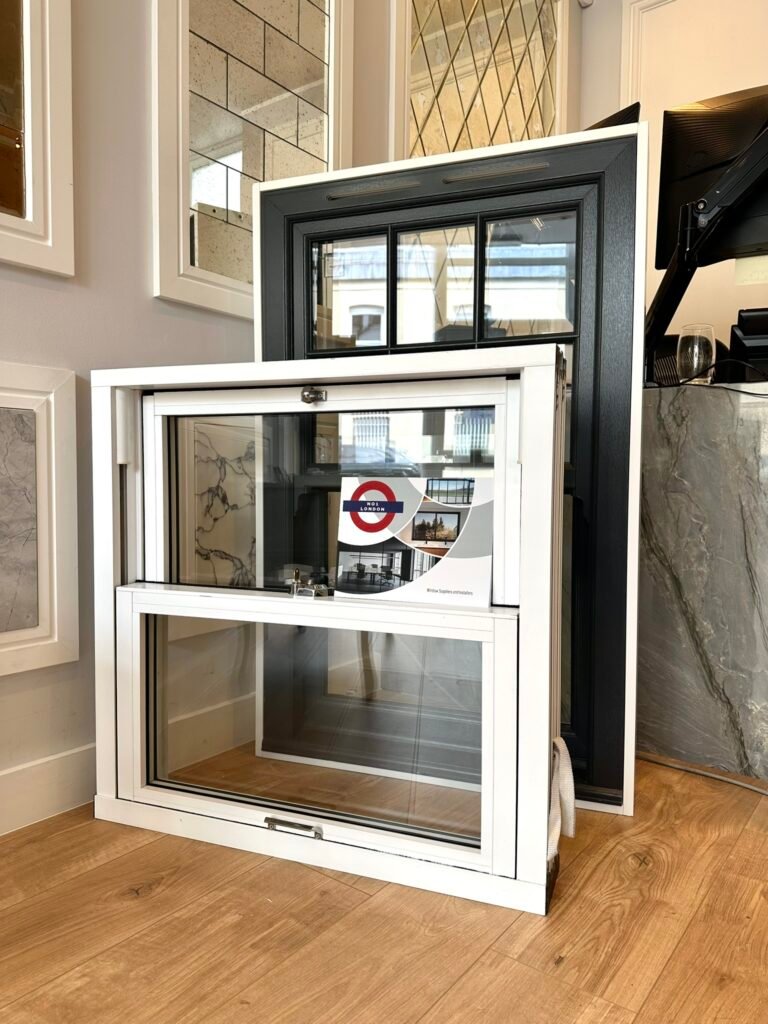
uPVC vs Aluminium Windows: The Ultimate UK Comparison Guide (2026)

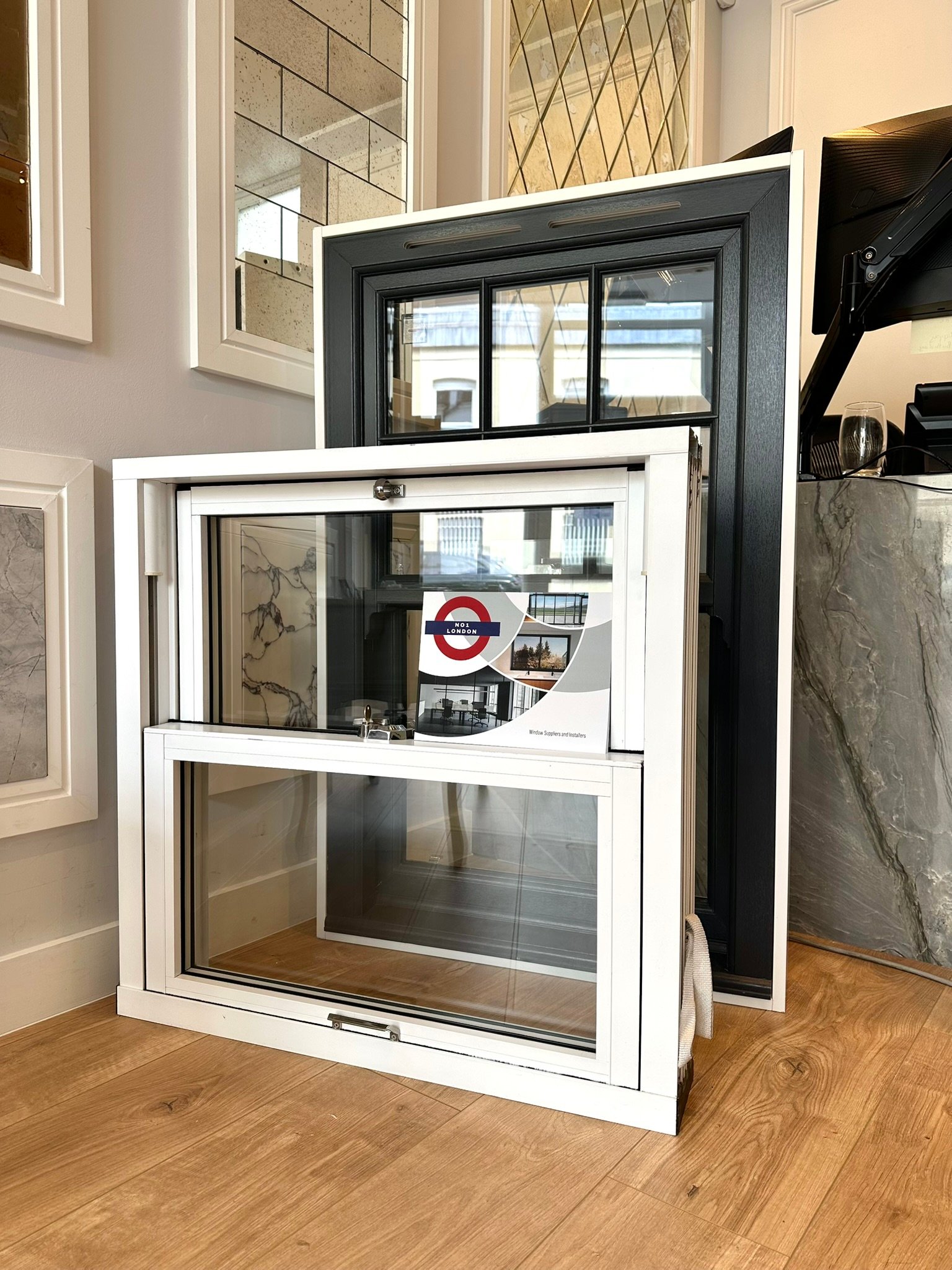
Choosing new windows isn’t just a design decision anymore. It directly impacts energy efficiency, security, property value, and long-term maintenance costs. In the UK, two materials dominate the market: uPVC and aluminium.
Both are modern, durable, and widely used. But they serve very different priorities. This guide breaks down the real differences so you can make a decision based on facts, not sales talk.
What Are uPVC Windows?
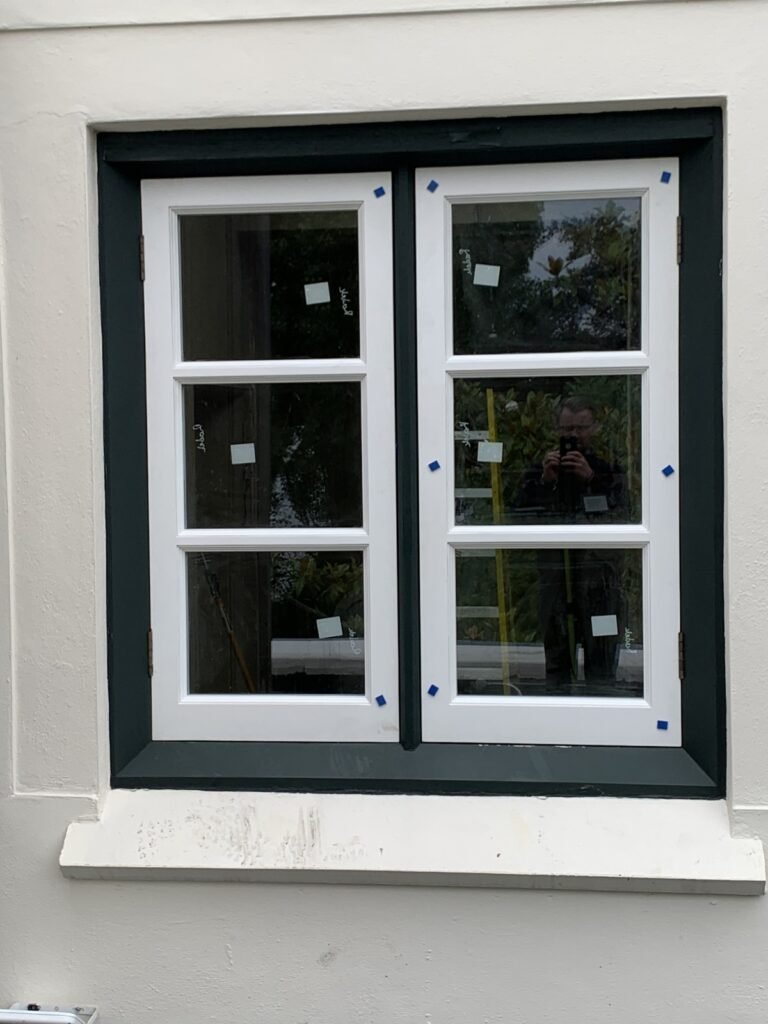
uPVC (unplasticised polyvinyl chloride) windows are made from a rigid plastic material designed for insulation and durability. They’ve been a staple in UK homes for decades due to their affordability and efficiency.
Key characteristics:
- Thick, multi-chambered frames for insulation
- Low maintenance and weather-resistant
- Wide availability in colours and finishes
- Strong thermal performance
uPVC remains one of the most cost-effective window solutions for residential properties across the UK.
What Are Aluminium Windows?
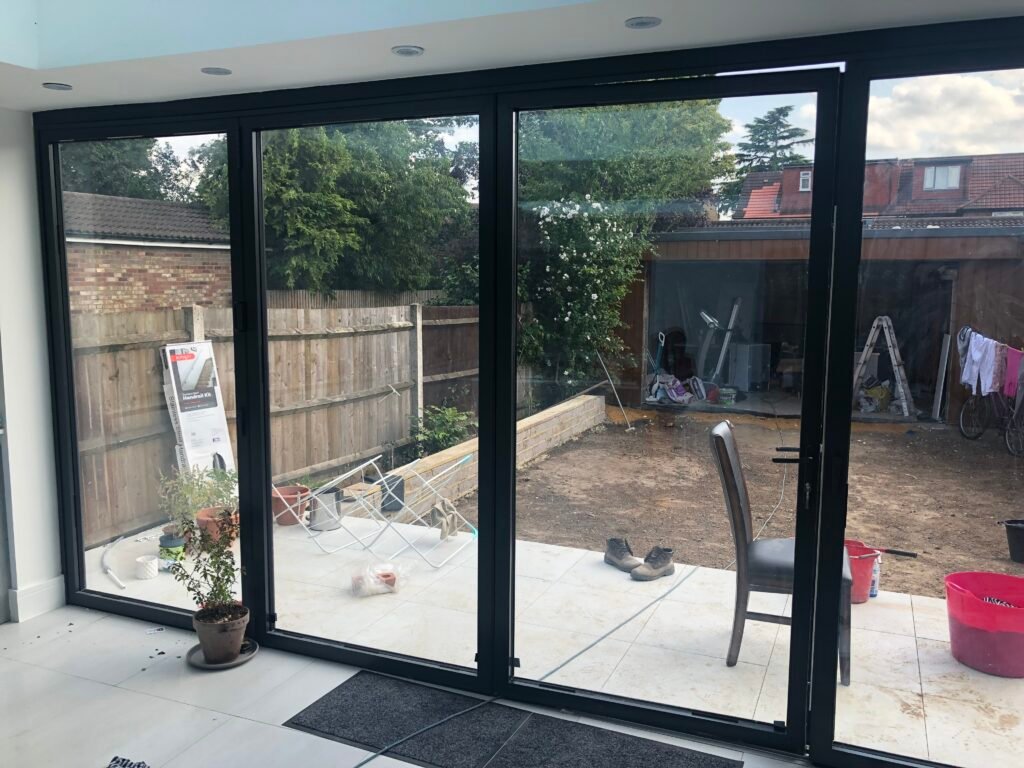
Aluminium windows are made from a strong, lightweight metal with a powder-coated finish. They are known for their slim profiles and modern appearance.
Key characteristics:
- Ultra-slim frames for maximum glass area
- Extremely strong structural integrity
- Ideal for large openings and modern builds
- Long lifespan with minimal degradation
Aluminium is often chosen for architectural designs, extensions, and high-end properties.
uPVC vs Aluminium Windows: Key Differences
1. Thermal Efficiency
uPVC naturally insulates well due to its chambered structure, helping reduce heat loss. Aluminium relies on thermal break technology to achieve similar performance. When well designed, both can meet high energy standards, but uPVC usually performs slightly better in standard installations.
2. Appearance & Design
Aluminium wins on aesthetics for modern homes. Its slim frames allow for larger glass panels and cleaner sightlines. uPVC tends to look bulkier but is more versatile across traditional property styles.
3. Strength & Durability
Aluminium is significantly stronger than uPVC, making it ideal for large windows and sliding doors. uPVC is still durable, but over time it can degrade faster than aluminium in extreme conditions.
4. Maintenance
Both materials are low maintenance. No painting, no sealing, no constant upkeep. Aluminium typically holds its finish longer, while uPVC can discolour slightly over many years depending on quality.
5. Cost
uPVC is generally more affordable. Aluminium typically costs more due to material strength, manufacturing complexity, and premium finish quality.
Advantages of uPVC Windows
- Lower upfront cost
- Excellent insulation and energy efficiency
- Good sound reduction
- Low maintenance
- Wide range of styles
uPVC is often the “practical choice” for homeowners upgrading standard properties or working within a budget.
Advantages of Aluminium Windows
- Slim, modern profiles
- Strong enough for large glazing panels
- Long lifespan
- Premium architectural look
- Excellent for extensions and contemporary builds
Aluminium is the go-to option when design and glass area matter most.
Which One Should You Choose?
There is no universal winner.
Choose uPVC if:
- You want better value for money
- Energy efficiency is a top priority
- You’re replacing standard residential windows
Choose aluminium if:
- You want a modern, premium aesthetic
- You need large glass panels or slim frames
- You’re working on an extension or new build
Most modern homes actually use a mix of both depending on the room and design intent.
Final Thoughts
uPVC and aluminium windows both perform exceptionally well when properly specified and installed. The real difference comes down to budget, design preference, and property type.
That’s where guidance matters.
At No1 London, we supply and install both uPVC and aluminium window systems, helping homeowners, architects and developers choose the right solution for their property – not just the most expensive one. Our team is here to advise, measure, and ensure every installation delivers long-term performance, energy efficiency, and style that fits your home.
Because the right window isn’t just about material. It’s about getting the decision right the first time.