Types of Windows: A Clear Guide for UK Homes

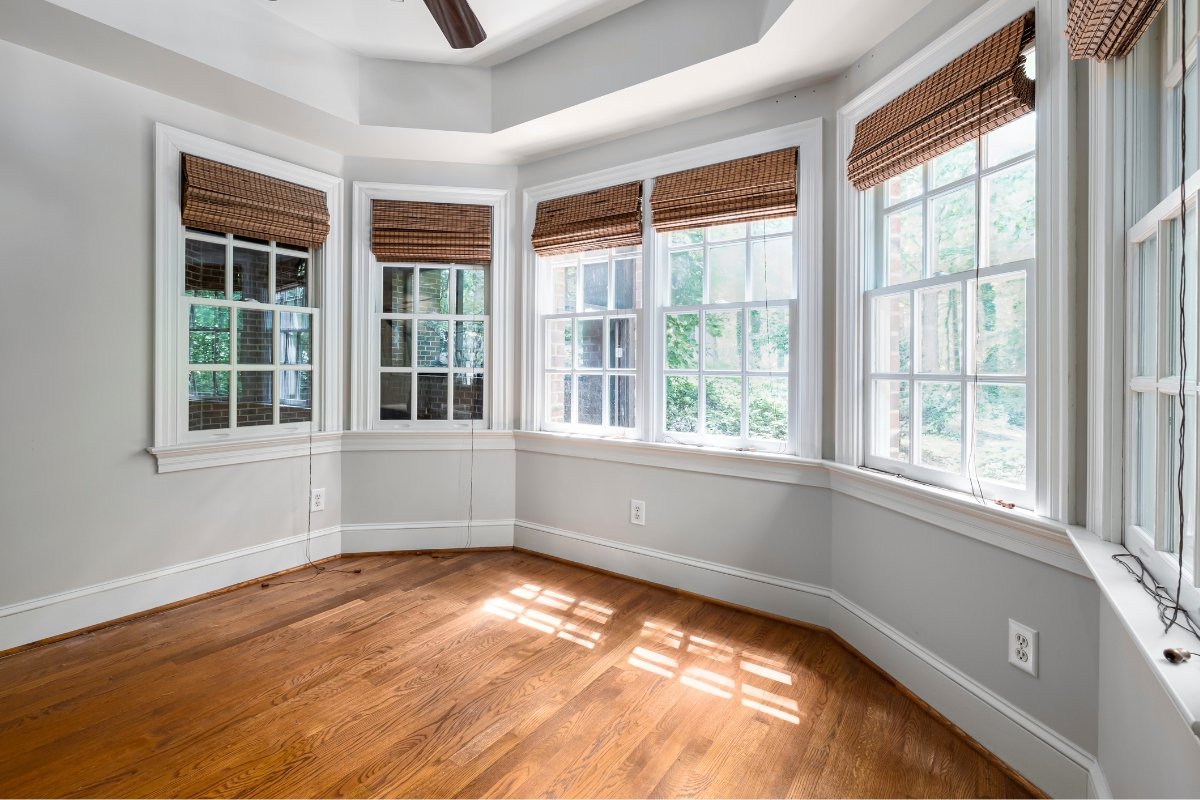
Choosing the right types of windows has a major impact on how your home looks, feels and performs. The right window style can improve insulation, increase natural light, reduce noise and enhance the architectural character of your property.
This guide explains the most common types of windows in UK homes — their features, advantages and where each one works best.
1. Casement Windows
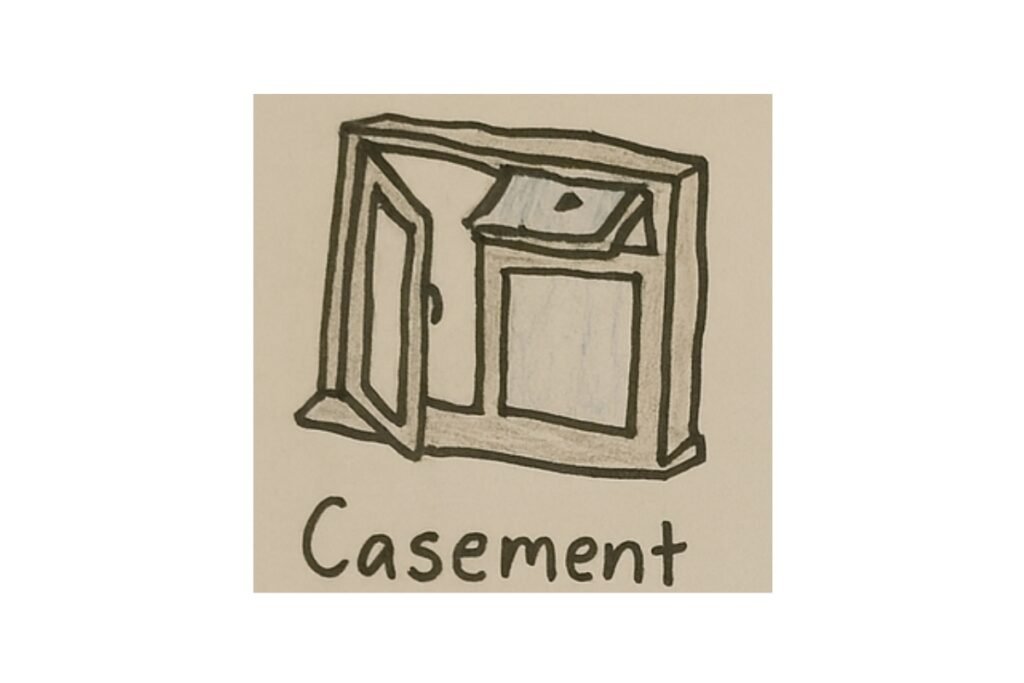
Casement windows are one of the most adaptable and widely used types of windows across the UK. They can include one or multiple opening sections and can be hinged from the side, top or bottom. When closed, they create a tight seal that delivers excellent insulation and energy efficiency.
Casement variations
- Side hung: Hinged at the side, opening outwards.
- Single casement: One opening sash.
- Double/French casement: Two side-hung sashes opening from the centre for a full-width opening.
- Top hung / Awning: Hinged at the top, ideal for rainy climates.
- Bottom hung / Hopper: Hinged at the bottom, good for secure ventilation.
- Flush casement: The sash sits level with the frame for a sleek appearance.
They are available in uPVC, aluminium, timber and flush designs and suit almost all property styles.
2. Tilt and Turn Windows
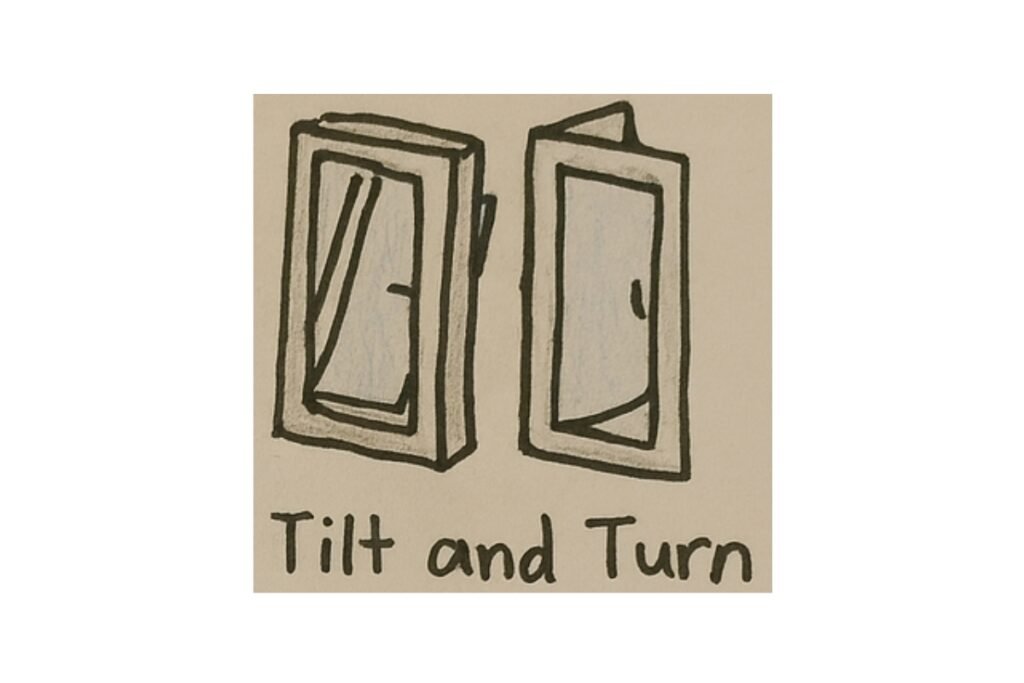
Tilt and turn windows became popular in the 1980s due to their flexible opening options. They can tilt inward for safe ventilation or fully open inward for easy cleaning, making them ideal for upper floors and modern homes.
They form an exceptional seal when closed and offer very strong energy efficiency. Their thicker frames typically suit homes built from the 1960s onwards rather than period architecture.
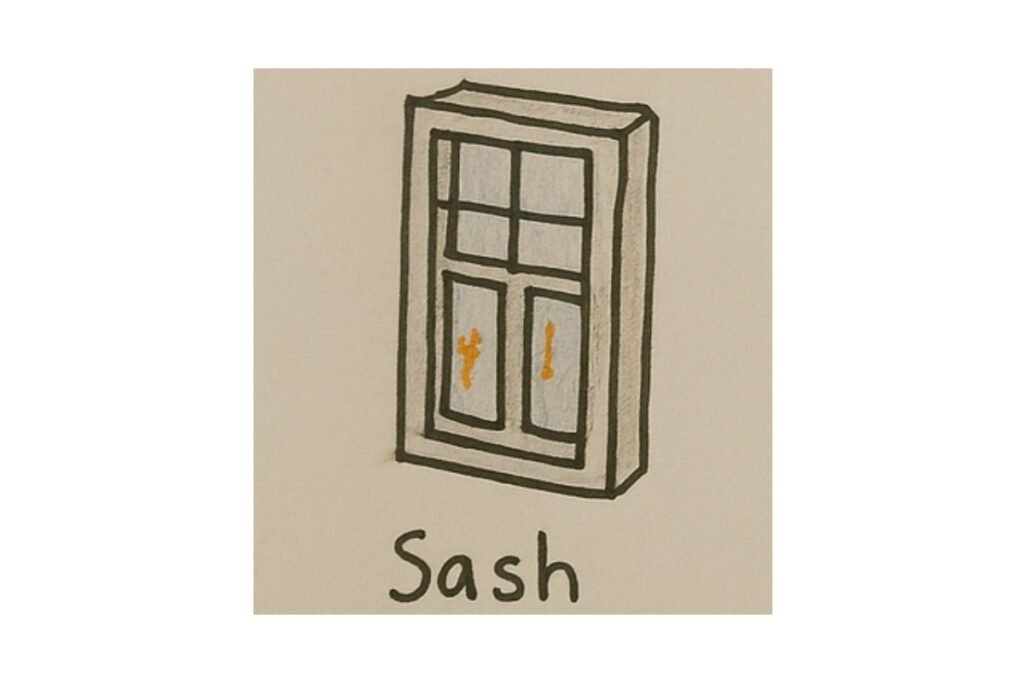
3. Sash Windows
Sash windows are among the most recognisable and characterful types of windows in the UK, especially in Georgian, Victorian and Edwardian homes. Many conservation areas require sash windows to be maintained or replaced like-for-like.
Traditional sash windows slide vertically using weight balances, while modern versions use spiral balances, brush seals and double glazing for better performance.
Types of sash windows
- Single hung: One moving sash, one fixed.
- Double hung: Both sashes slide for enhanced ventilation.
- Dummy sash: A fixed sash that maintains symmetrical aesthetics.
Sash windows remain a major selling point in heritage properties.
4. Sliding Windows
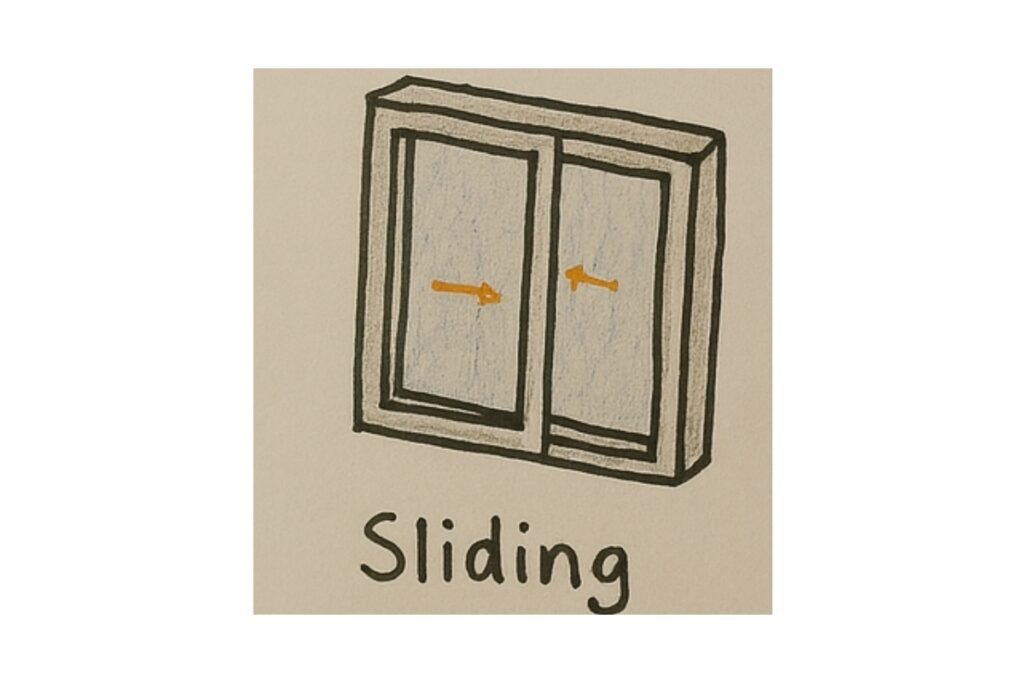
Sliding windows open horizontally and typically feature slim aluminium frames to maximise glass area and natural light. They work especially well in kitchens, above sinks or as serving windows to patios.
Their clean, modern appearance suits contemporary homes, extensions and minimalist designs.
5. Bay Windows
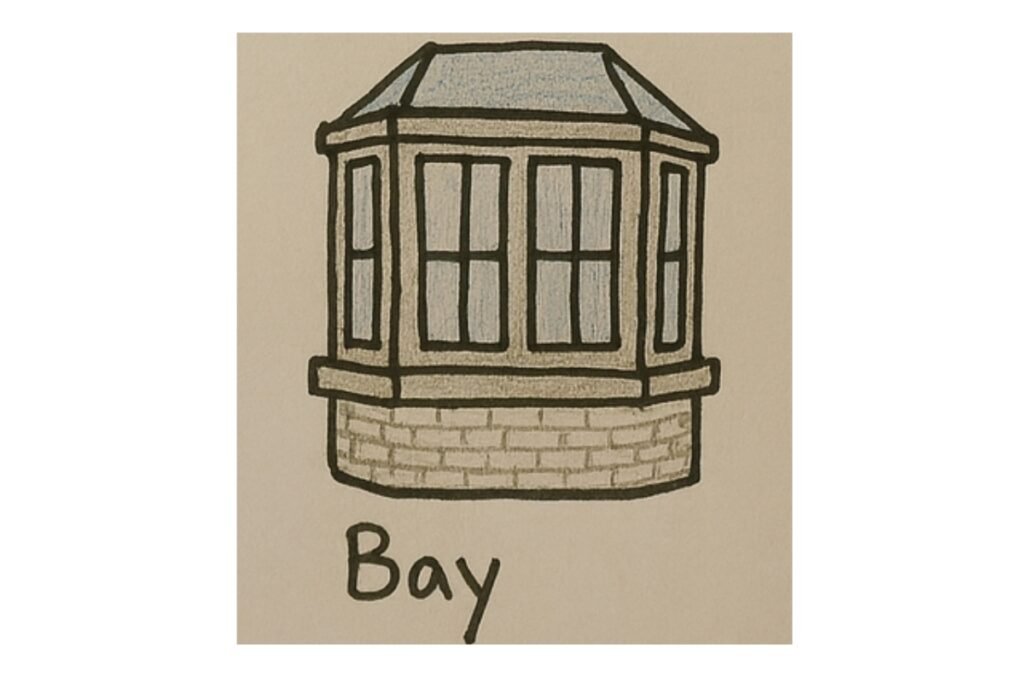
A bay window protrudes outward from the home and reaches the floor, forming part of the property’s structure. Common in Victorian and Edwardian architecture, bay windows bring in more light, offer panoramic views and improve ventilation.
Because they create floor space, adding a new front-facing bay window usually requires planning permission.
Bay window shapes
- Splayed
- Square
- Circular
- Single-end
6. Bow Windows
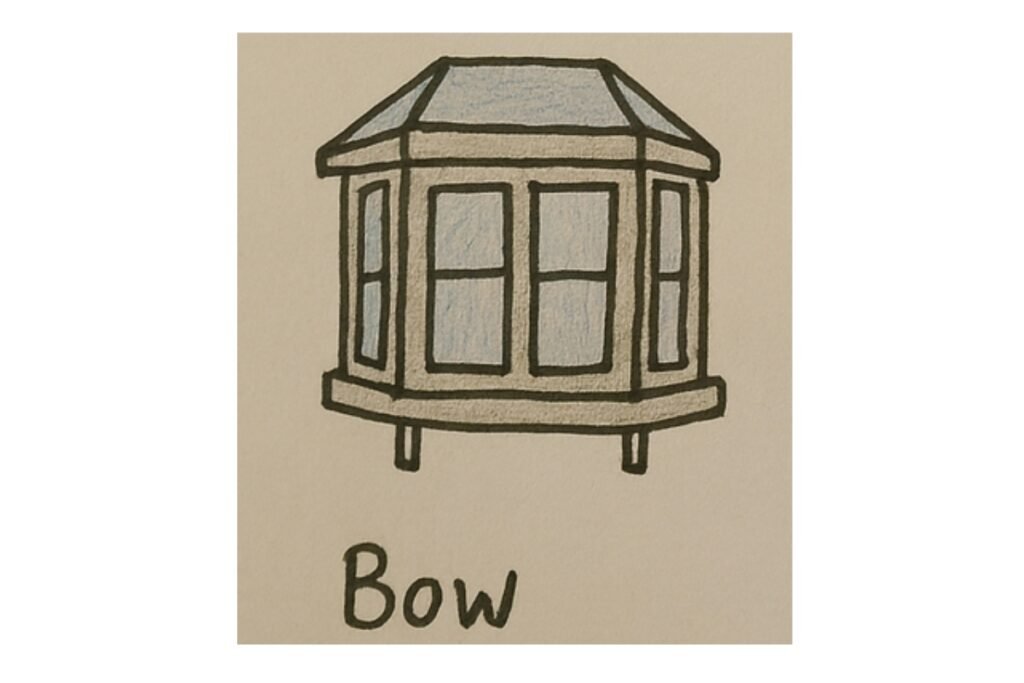
Bow windows resemble bay windows but do not have an extended base wall. Instead, multiple window panels create a gentle outward curve. They brighten interiors, provide wide exterior views and add character without requiring structural extension work.
They typically do not require planning permission.
7. Rooflights and Skylights
Roof windows come in two main categories:
Dormer Windows
A dormer extends outward from the roofline, adding headroom and space inside the property. Any smaller window style can be fitted within a dormer.
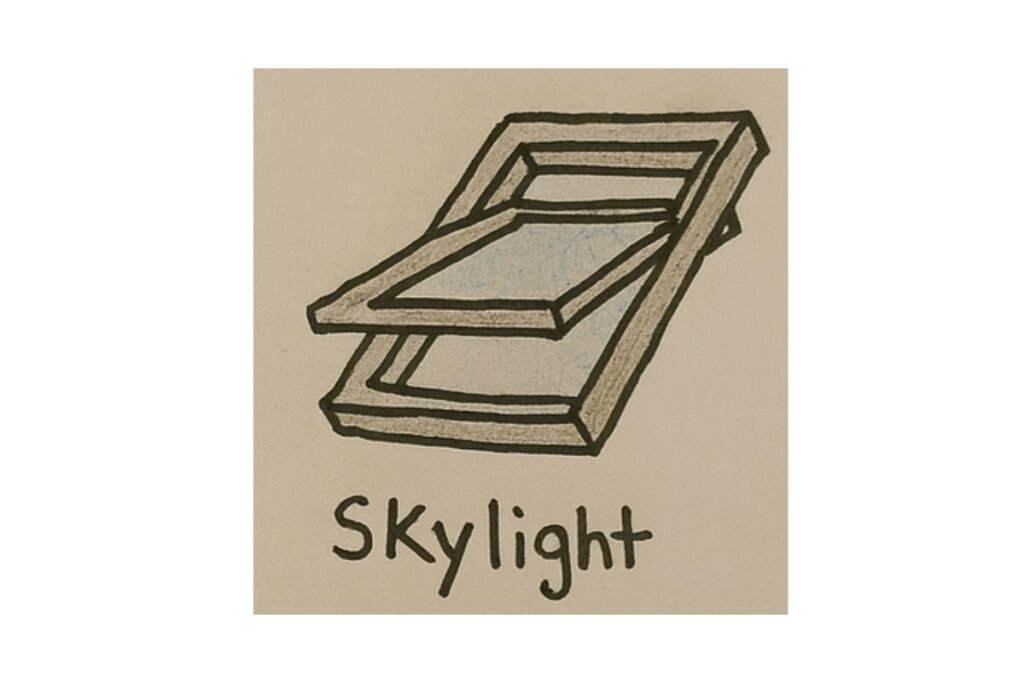
Skylights
Skylights are installed flush within the sloped roof. They flood rooms with natural light and are ideal for loft conversions, extensions and darker kitchens.
Dormers suit traditional homes, while skylights work best in contemporary spaces.
8. Transom and Fanlight Windows
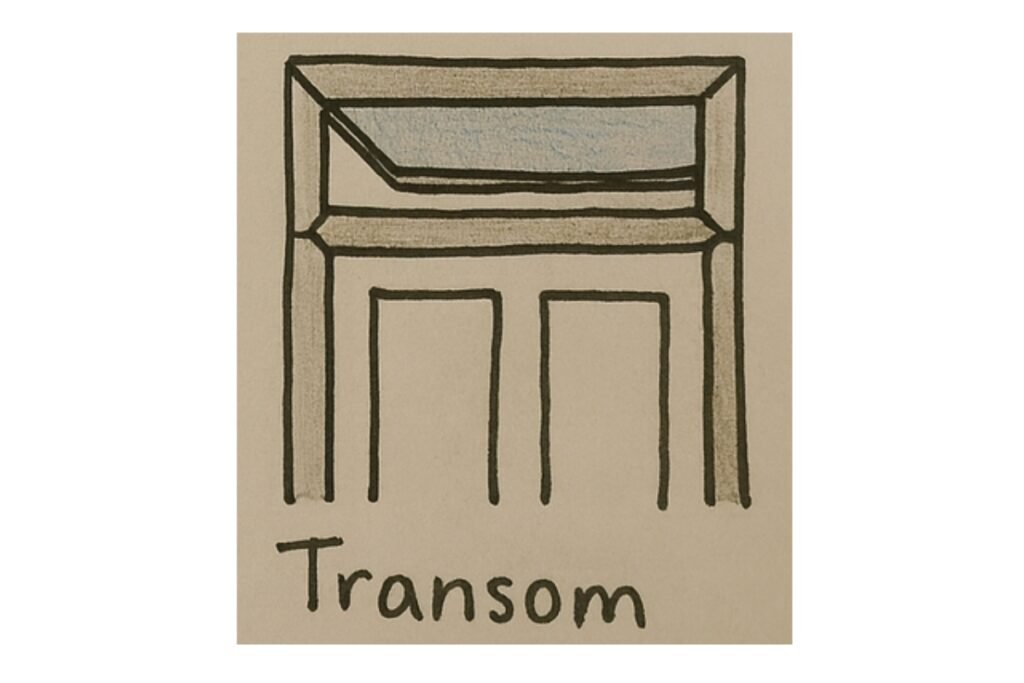
A transom window sits above a door and was originally used for ventilation. Fanlights often include decorative or coloured glass such as the classic sunburst pattern.
They add charm, extra daylight and a heritage touch to entrances.
9. Egress Windows
An egress window is not a style but a building safety requirement. To comply with UK regulations, an escape window must:
- be at least 450 mm in height or width
- offer 0.33 m² clear openable area
- have the bottom edge no higher than 1.1 m from the floor
Any window style can qualify if it meets these standards.
What Is the Cheapest Window Style?
The most affordable option is a standard white uPVC side-hung casement window.
Costs still vary based on size, quantity and installation quality.
Which Window Style Is Best for Your Home?
The right style depends on your home’s architecture and character.
Period properties
Timber sash windows or traditional timber casements retain authenticity. Replacing sash windows with uPVC can reduce the value of a period home.
Modern homes
Slim aluminium frames, tilt and turn windows and large glazed panels suit contemporary designs.
Cottages and rural homes
Timber casements or heritage flush frames usually look most appropriate.
Key factors when choosing windows
- What the property originally had
- Frame colour that suits the brick or stonework
- Material that complements the architecture
- Long-term durability vs maintenance
- Planning restrictions or conservation areas
Avoid selecting styles based solely on current trends — the best-looking homes are those that stay true to their original character.
Thinking of upgrading your windows?
Get expert advice on window styles, glazing, security and energy efficiency tailored to your home.
👉 Contact No1 London today for a free consultation and quote.