Types of Doors for Your Home: Complete Guide to Flush, Panel, Glazed, French, Patio, Bi-Fold, Composite & Aluminium Doors

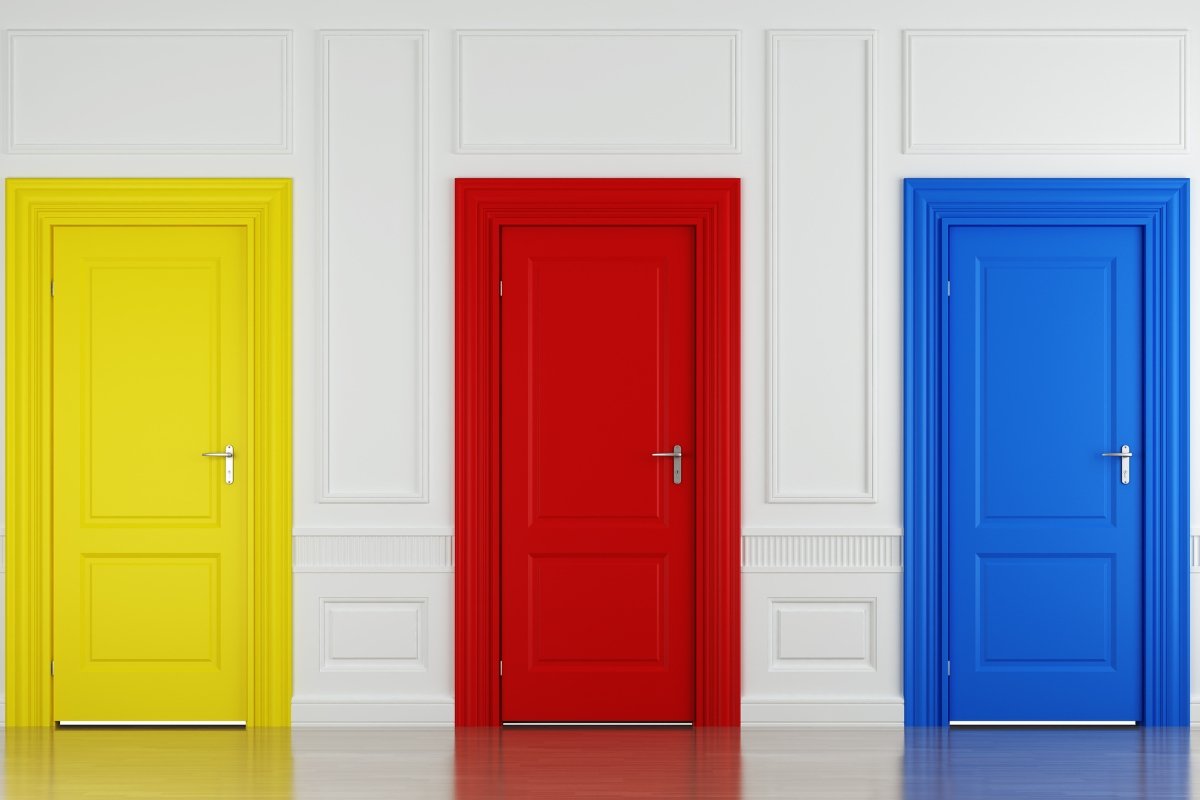
Types of Doors: A Complete Guide for Your Home (2025 Update)
Choosing between different types of doors can completely transform your home’s style, security and natural light. From traditional timber panel doors to contemporary aluminium entrances, every door style serves a different purpose.
This complete guide explains all the main types of doors, their advantages, ideal uses, materials, and how to choose the right one for your property.
1. Flush Doors
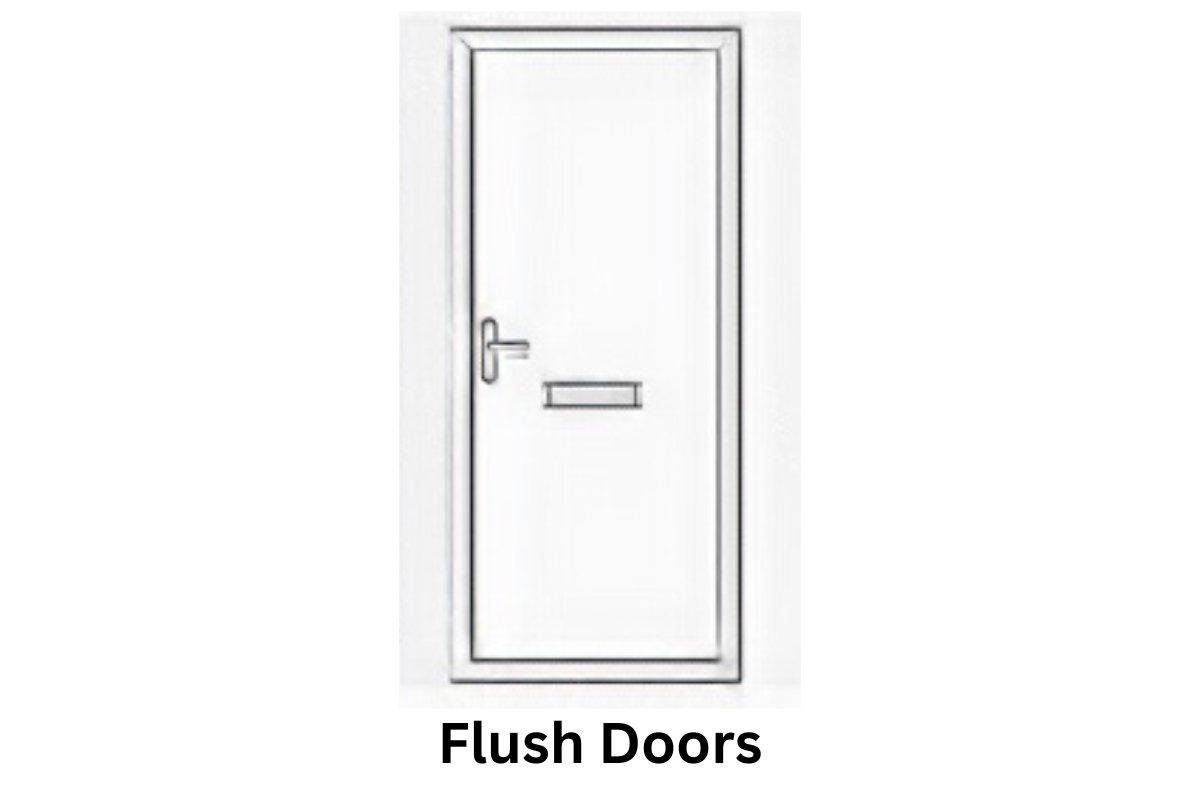
Flush doors have smooth, flat surfaces on both sides with no moulding or panels. Their clean design makes them ideal for modern and minimalist interiors.
They are most commonly used as internal doors, though high-quality versions with proper weatherproofing can also be fitted externally in contemporary homes.
Best for: modern homes, minimalist interiors, apartments.
2. Panel Doors
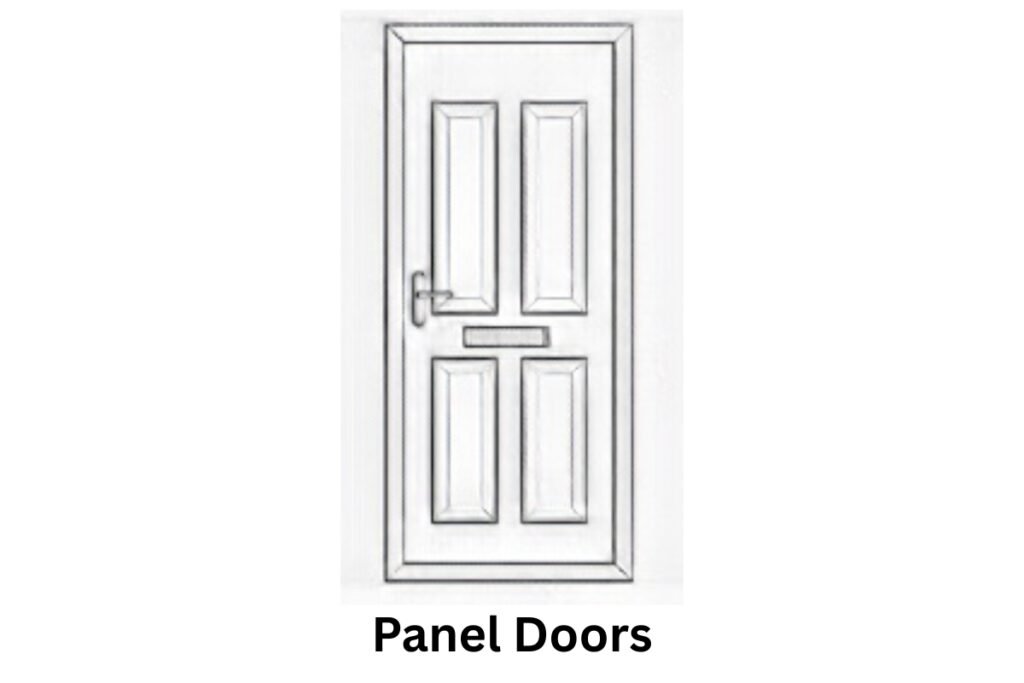
Panel doors are the most common door type in the UK. They feature decorative moulded panels arranged in designs such as 2-panel, 4-panel, 6-panel or 8-panel layouts.
Panel doors work for both interior and exterior entrances and are available in timber, composite, uPVC or aluminium. They can look traditional or modern depending on the finish.
Many front doors use panel designs combined with glazing for added light.
Best for: every property style — period homes, new builds, cottages, Victorian terraces.
3. Glazed Doors
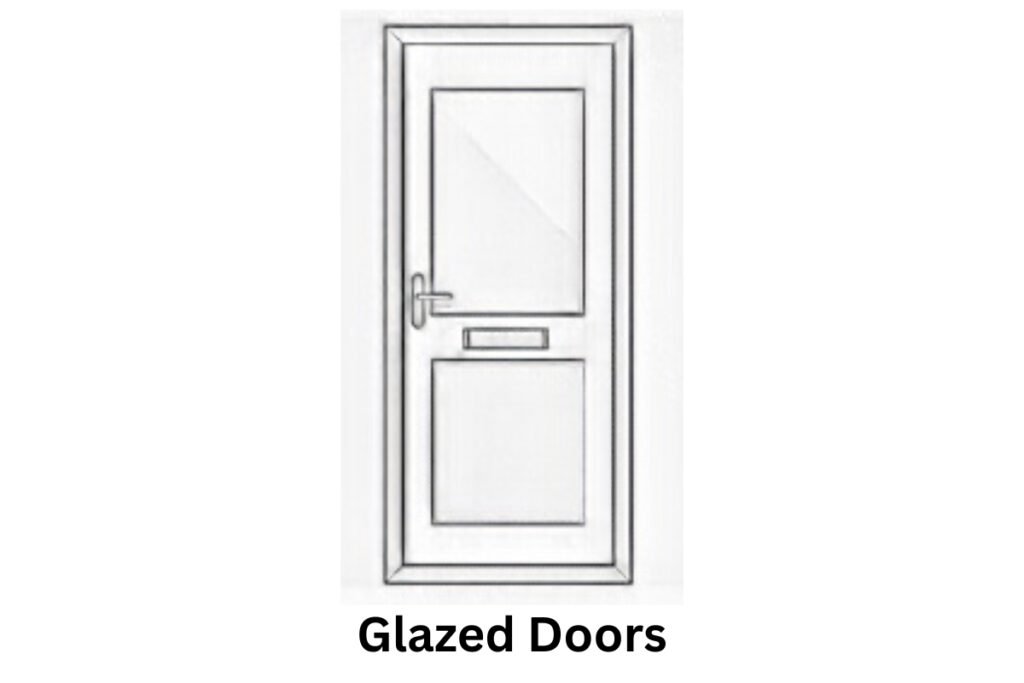
Glazed doors incorporate glass panels to allow natural light into your home. Options include:
- Part-glazed (commonly used for front doors)
- Fully glazed (popular for rear doors and garden access)
- Frosted/obscure glazing for privacy
- Toughened or laminated glass for improved security
Traditional homes often feature stained or patterned glass, while modern properties benefit from large, clear glazed panels.
Best for: bright interiors, rear garden doors, hallways, dark rooms.
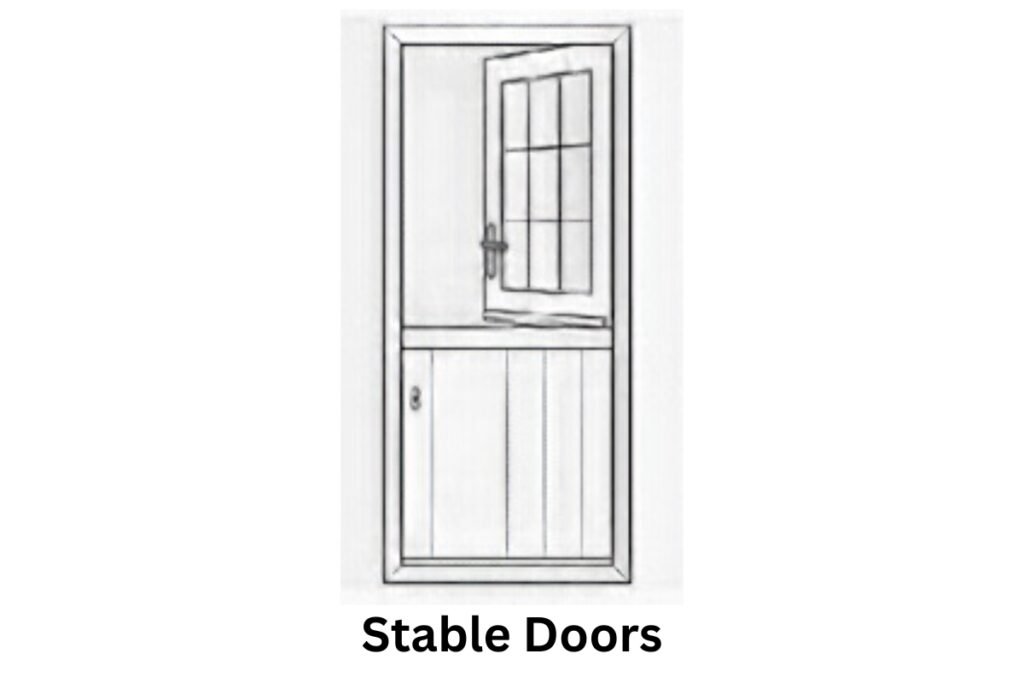
4. Stable Doors (Dutch Doors)
Stable doors are split horizontally so the top and bottom sections open independently. Once used in cottages and farmhouses, they allowed ventilation while keeping children and animals safely inside.
Today they remain a charming, practical option for country properties — especially kitchen entrances that lead to gardens.
Best for: cottages, country homes, rustic kitchens.
5. French Doors
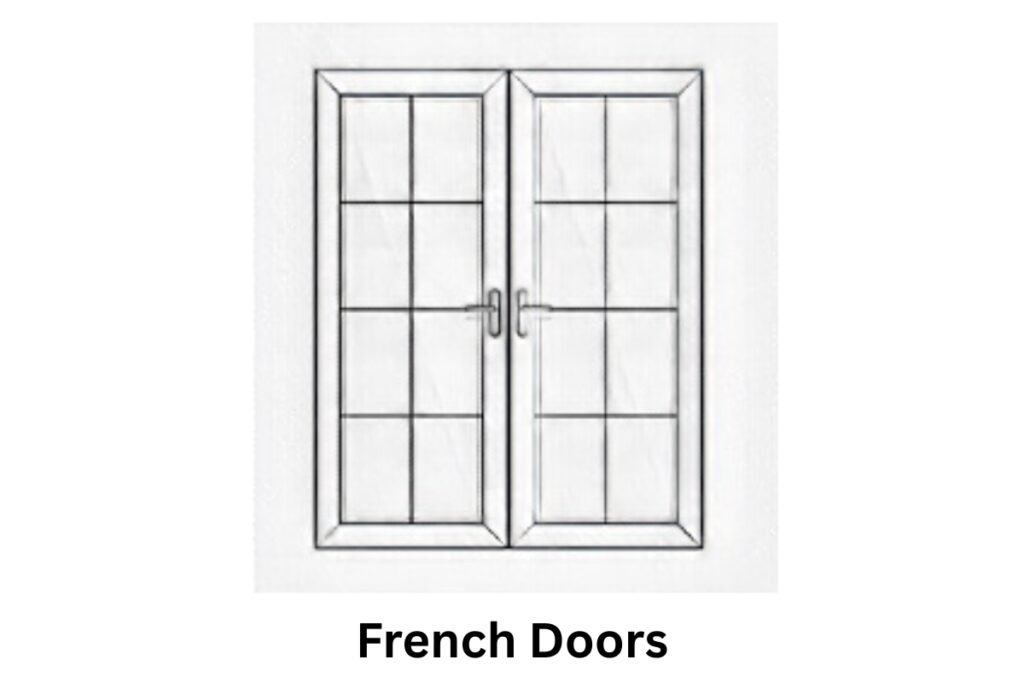
French doors are a pair of glazed double doors opening outwards from the centre, typically without a central frame. This creates an unobstructed opening that maximises natural light.
Originating in 17th-century France, they bring elegance to both modern and traditional properties. They require outward-swing space and often benefit from door stops to prevent wind damage.
Best for: period homes, balconies, patios, living rooms.
6. Patio Doors (Sliding Doors)
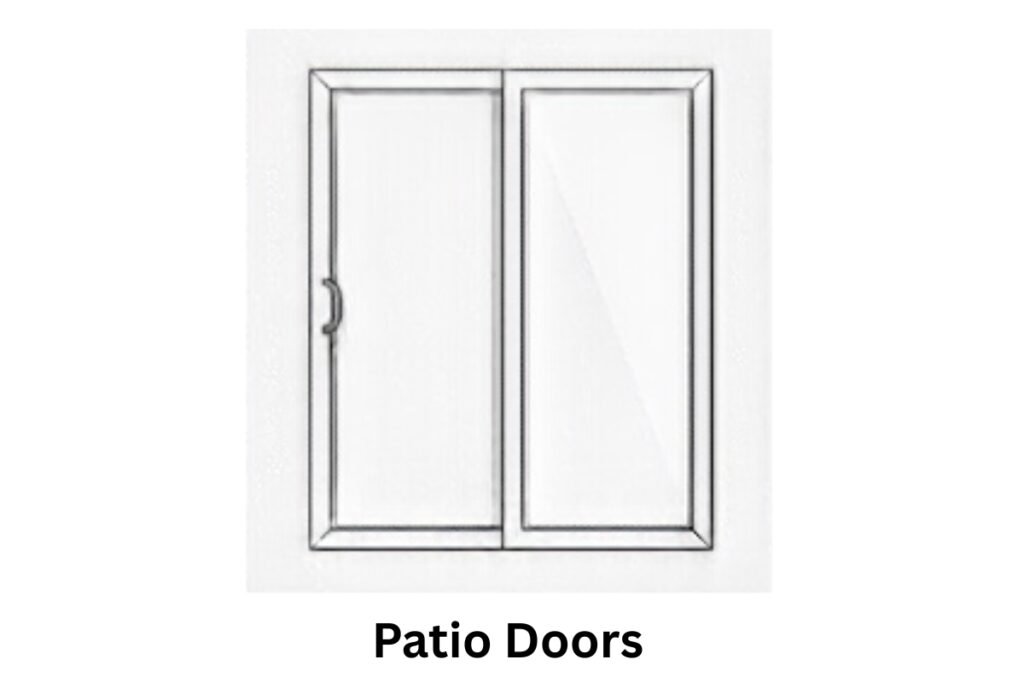
Sliding patio doors are designed to maximise glass and save space. Inspired partly by Japanese sliding screens, these doors glide along a track to open and close smoothly.
They provide a seamless connection between indoor living spaces and the garden and are also used internally as sliding pocket doors.
Best for: mid-century homes, modern homes, small spaces, kitchens.
7. Bi-Fold Doors
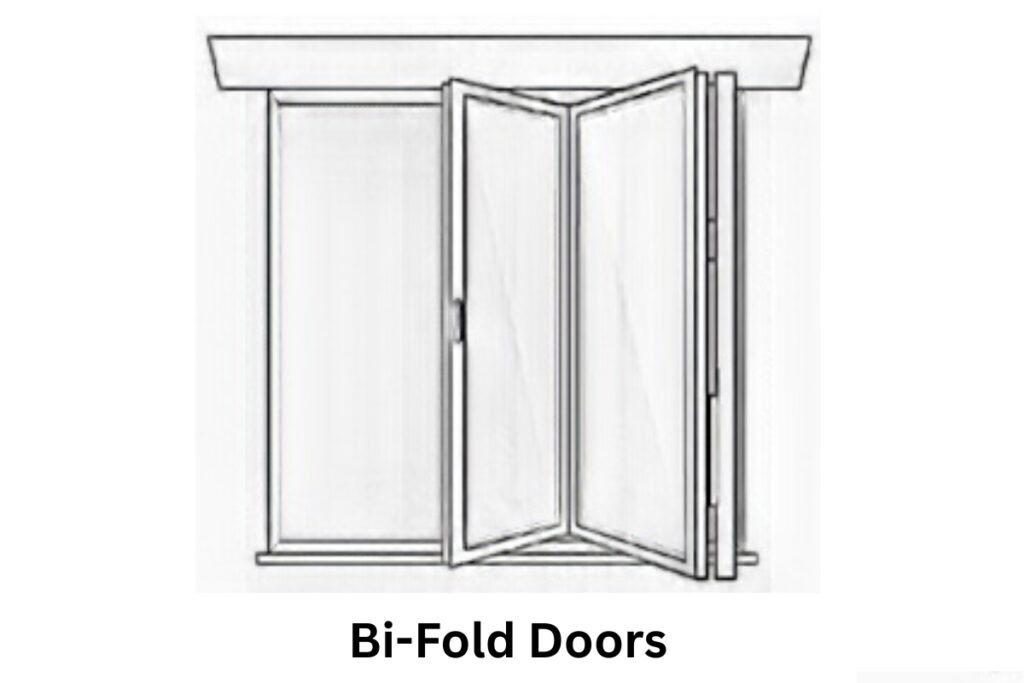
Bi-fold doors fold and slide along a track, stacking neatly to the side. Although they feel modern, versions of folding doors existed even in ancient Pompeii.
Contemporary bi-fold doors are usually large glazed systems used in open-plan kitchens, conservatories and rear extensions to create dramatic indoor-outdoor living.
Best for: modern homes, open-plan living, garden rooms, extensions.
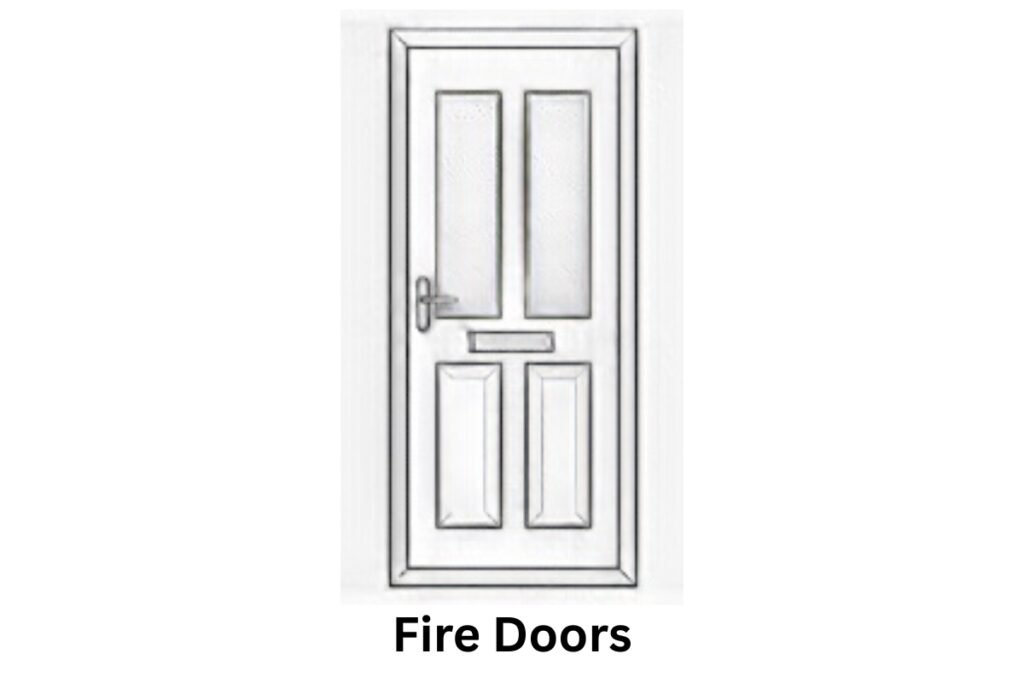
8. Fire Doors
Fire doors are specialist doors designed to prevent the spread of fire.
A standard fire door is:
- 44mm thick
- Rated FD30 (30 minutes fire protection)
Higher ratings include FD60, FD90 and FD120. Fire doors can include fire-rated glazing for visibility without compromising safety.
They are required between garages and the home, in basements leading to habitable spaces, and in three-storey homes.
Best for: safety-critical areas, garages, basements, stairwells.
Learn more about fire door ratings on the official UK Government website
Door Materials: Pros, Cons & Best Uses
Timber Doors
Timber is the oldest and most traditional door material. It looks beautiful and can last a lifetime with proper care.
However, it requires the most maintenance.
Best for: period properties, listed buildings, cottages, character homes.
uPVC Doors
uPVC became popular from the 1970s as a low-maintenance alternative to timber. Modern uPVC is far more secure than early versions thanks to enhanced locking systems.
Quality varies significantly — cheap uPVC can warp, while high-quality uPVC can last around 30 years.
Best for: modern homes, new builds, budget-friendly replacements.
Composite Doors
Composite doors use multiple materials such as:
- reinforced steel
- hardwood or engineered frames
- insulating foam
- GRP (glass-reinforced plastic) outer skin
They offer excellent strength, security, insulation and durability, with a wood-grain effect that replicates timber.
Best for: most UK homes — modern or traditional.
Aluminium Doors
Aluminium doors offer a premium, modern appearance with exceptional strength.
They are:
- rust-resistant
- durable
- scratch-resistant
- thermally efficient (with modern thermal inserts)
Slim aluminium frames allow for large glazed panels, and solid aluminium options offer high security.
Best for: contemporary homes, luxury entrances, modern renovations.
Which Door Is Best for Your Home?
Choosing the right door depends on:
1. Durability & Lifespan
- uPVC: ~30 years
- Composite: ~35 years
- Timber: lifetime with maintenance
- Aluminium: 45+ years
2. Style of Property
- Period homes (Victorian, Edwardian): Timber or composite, with classic panel layouts
- Modern new builds: Composite or aluminium
- Cottages: Timber stable doors
- Townhouses: Timber front doors for authenticity
- Contemporary extensions: Aluminium glazed systems or bi-folds
3. Colour & Finish
Choose a colour that complements your:
- brickwork or render
- window frames
- architectural style
- surrounding environment
A well-chosen door should enhance your home’s kerb appeal and last for decades.
Ready to upgrade your home with a new door?
Speak to our specialists today for personalised advice, free measurements, and a quote tailored to your property.
👉 Contact No1 London to get your free consultation.